LA's Futuristic Vehicle Fights Wildfire Air Pollution
Jan de Vries ·
Listen to this article~4 min
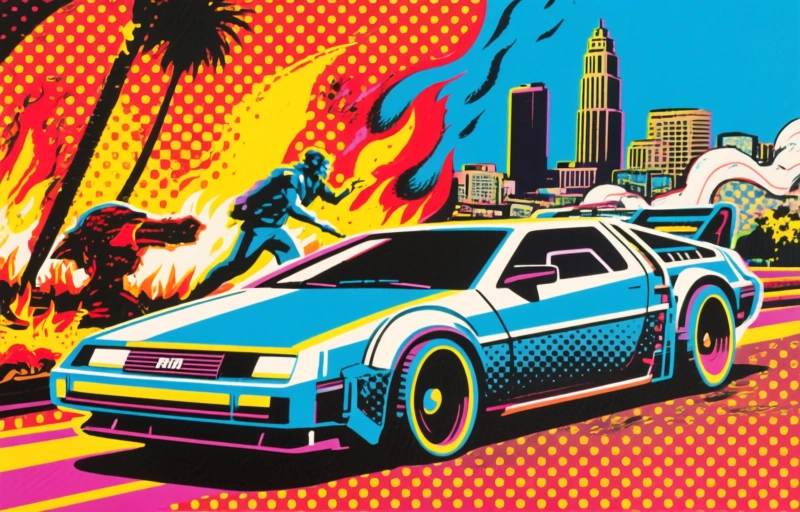
Los Angeles deploys a futuristic, mobile air filtration vehicle to combat the dangerous 'toxic soup' of pollutants left in the air after devastating wildfires, marking a new approach to post-disaster recovery.
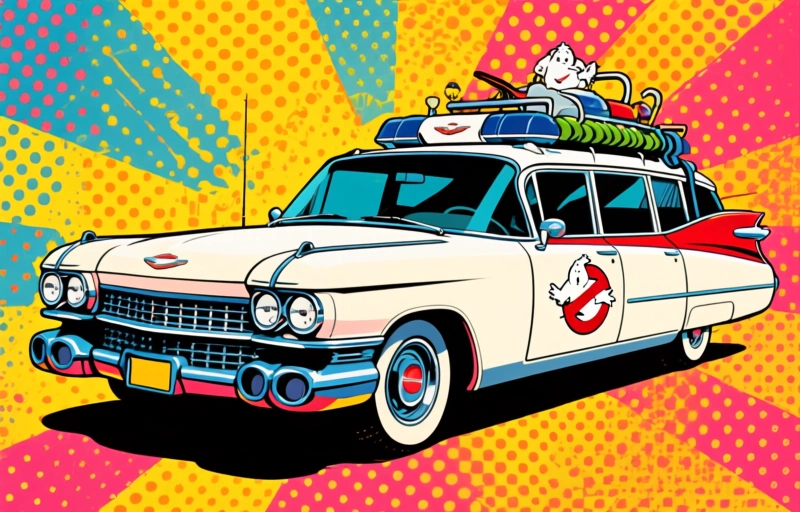
Los Angeles just rolled out something straight out of a sci-fi movie to tackle a very real-world problem. Following the city's devastating wildfires, officials have unveiled a new, futuristic vehicle designed specifically to clean up the toxic air pollution left behind. It's a bold move, and honestly, it looks like something the Ghostbusters might drive.
Think about it for a second. After a wildfire rips through an area, it doesn't just leave charred trees and ash. It creates what experts are calling a 'toxic soup' in the air—a nasty mix of particulate matter, chemicals, and other pollutants that can linger for weeks, even months. Breathing that in is terrible for public health, and LA is saying enough is enough.
### How This 'Ghostbusters' Car Actually Works
So, what makes this vehicle so special? It's not just about looking cool (though it definitely does). This machine is essentially a high-tech mobile air filtration unit on wheels. It's equipped with advanced filtration systems that can suck in polluted air, run it through a series of filters, and release cleaner air back into the environment. It's designed to be deployed directly into affected neighborhoods, targeting those pockets of toxic air that stationary monitors can't easily reach.
The goal is proactive, on-the-ground remediation. Instead of just telling people the air quality is bad and to stay inside, this vehicle goes to the source of the problem. It can cover areas where the pollution is most concentrated, helping to clear the air faster for residents trying to return and rebuild their lives.
### Why This Innovation Matters for Cities Everywhere
LA's situation isn't unique. With climate change increasing the frequency and intensity of wildfires across the American West—from California to Colorado—many cities are facing similar post-disaster challenges. The traditional recovery model often focuses on rebuilding structures, but cleaning the *air* is just as critical for community health and resilience.
This vehicle represents a shift in thinking. It treats air pollution as an immediate, tangible hazard to be cleaned up, not just an abstract reading on an index. If successful, this approach could become a standard part of disaster response kits for fire-prone regions. It's about protecting people's lungs while they're putting their homes and communities back together.
### The Bigger Picture on Environmental Tech
This launch is part of a larger trend where cities are turning to innovative technology to solve persistent environmental issues. We're seeing everything from smog-eating buildings to drones that plant trees. LA's new vehicle fits right into this wave of creative problem-solving. It shows a willingness to invest in unconventional solutions for problems that are only getting worse.
Of course, one vehicle can't solve LA's entire air quality crisis. But it's a start—a tangible, visible commitment to trying something new. It sparks conversations about what's possible and pushes other municipalities to think outside the box. As one city planner told me off the record, 'Sometimes you need a symbol to drive change. This car is that symbol.'
In the end, it's a reminder that the tools we need to build a healthier future might look different than we expect. They might even look like they're ready to trap a ghost or two. The real victory will be if this pilot project proves effective and scalable, giving other communities a new blueprint for fighting the invisible aftermath of disaster.