LA Deploys Futuristic Vehicle to Combat Post-Wildfire Pollution
Jan de Vries ·
Listen to this article~3 min
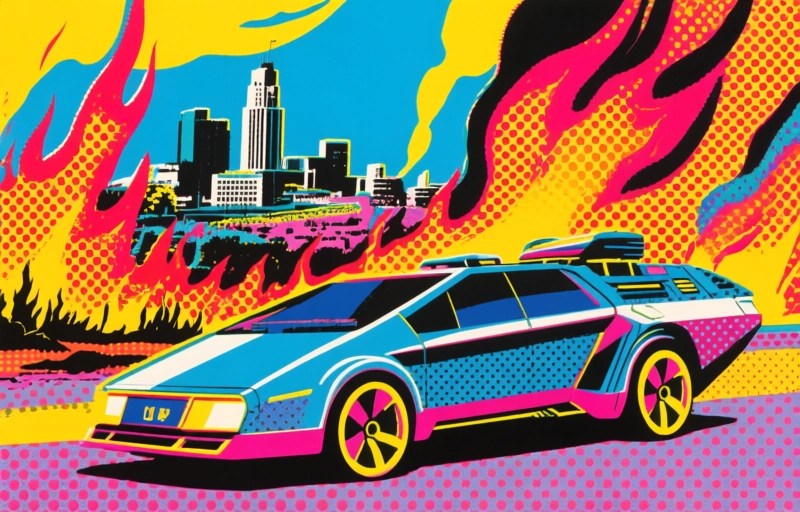
Los Angeles deploys a futuristic, mobile air purification vehicle to combat the dangerous 'toxic soup' of pollution left in the wake of devastating wildfires, marking a new approach to urban environmental recovery.
Los Angeles just rolled out something straight out of a sci-fi movie to tackle a very real-world problem. Following those devastating wildfires that left the city choking, they've unveiled a new vehicle designed specifically to clean up the toxic air that lingers long after the flames are gone.
It's a fascinating approach, really. We all know wildfires are destructive in the moment, but the aftermath creates what some experts call a 'toxic soup' in the atmosphere. This new machine is LA's high-tech answer to that lingering threat.
### What Makes This Vehicle So Special?
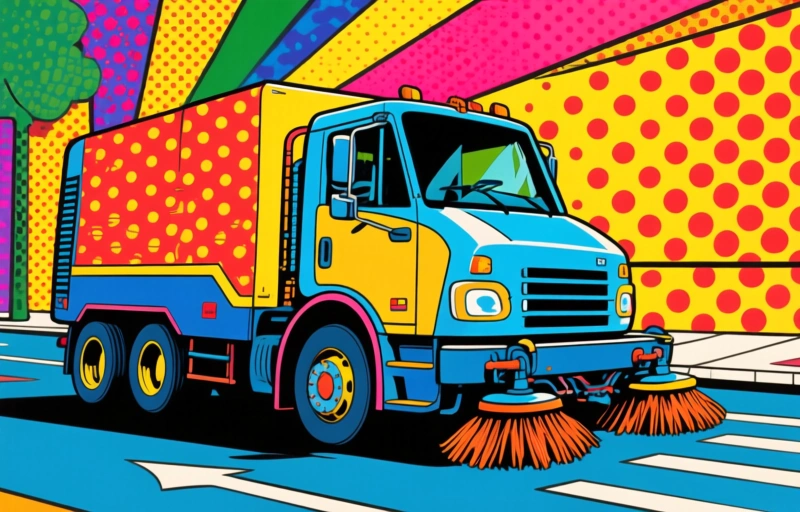
Well, it's not your average street sweeper. This thing looks like it belongs in a Ghostbusters film, with specialized equipment mounted on a truck chassis. Its sole purpose is to roam affected areas and literally suck harmful particles out of the air. Think of it as a giant, mobile air purifier for an entire city block.
It targets the fine particulate matter and chemical residues that wildfires leave behind. You know, the stuff that makes the air hazy and dangerous to breathe for weeks or even months. This vehicle aims to accelerate the natural cleanup process, making neighborhoods safer for residents to return home sooner.
### Why This Technology Matters Now
Wildfire seasons have been getting longer and more intense. Cities like LA are facing this new reality head-on, and traditional cleanup methods just aren't cutting it for air quality. This vehicle represents a shift toward proactive, technological solutions for environmental recovery.
Here's what sets this approach apart:
- It's mobile and can be deployed exactly where it's needed most
- It works continuously, covering more ground than stationary filters
- It addresses the immediate post-disaster period when air quality is at its worst
- It's a tangible sign of recovery efforts that communities can actually see
One city official put it well: 'We're not just rebuilding structures anymore; we're rebuilding breathable air.' That sentiment captures why this innovation matters. It's about holistic recovery that considers public health from every angle.

### The Bigger Picture for Urban Disaster Response
This isn't just about one city or one type of disaster. What LA is testing here could become a model for other municipalities facing similar challenges. Imagine having fleets of these vehicles ready to deploy after hurricanes, industrial accidents, or any event that compromises air quality on a large scale.
The technology is still in its early days, of course. Experts will be watching closely to see how effective it is at scale and what the operational costs look like. But the mere fact that it exists signals an important evolution in how we think about disaster response.
We're moving beyond just putting out fires and clearing debris. We're starting to address the invisible dangers that remain. That's progress, even if it comes in a strangely futuristic package. Sometimes solving modern problems requires solutions that look like they're from the future.