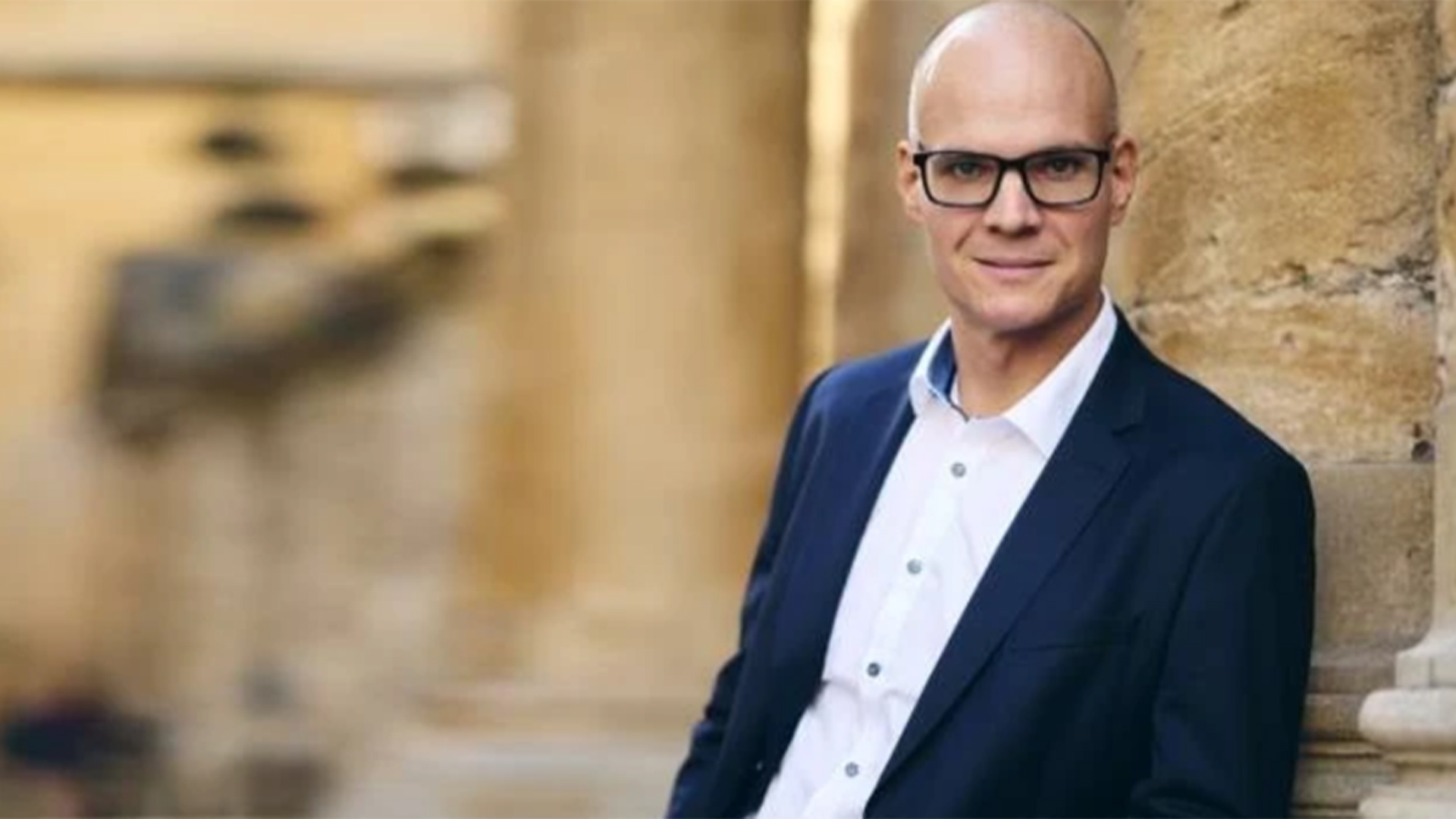
In this exclusive interview, Dr. Jan Rosenow explains how businesses can cut carbon emissions through real carbon abatement, 24/7 clean energy, and electrification. He discusses the European Green Deal and the first steps companies can take.
### The Shift to Real Carbon Abatement
In an exclusive interview, Dr. Jan Rosenow, an energy and climate policy specialist, sat down with Tabish Ali of the Motivational Speakers Agency to discuss how businesses can cut carbon emissions. Rosenow, who has advised the International Energy Agency, the United Nations, and the European Parliament, sees the energy transition as one of the most exciting areas of innovation today.
Running a business on clean energy every hour of the year is a demanding ambition, but Rosenow remains optimistic. He explains why businesses are moving beyond old carbon offsetting methods to real, hourly clean energy solutions.
### From Offsets to 24/7 Clean Energy
In the past, businesses often bought certificates to claim carbon neutrality. "That's the old world of carbon abatement," Rosenow says. Now, companies are pursuing real carbon abatement by ensuring they run on clean energy every hour of the year. This 24/7 clean energy approach is where a lot of innovation is happening. It's challenging, but also very exciting.
### Why Optimism Is Warranted
Rosenow is an energy transition optimist because he's seen predictions of difficulty and high costs repeatedly proven wrong. "When you fast forward a decade or two, the transition has been faster and cheaper than most people predicted," he notes. He believes learning effects and innovation will overcome many challenges, with businesses playing a pivotal role.
### First Steps for Companies
The first step for any company is to commit to transitioning away from fossil fuels to clean energy carriers. Then, they need experts who can provide a roadmap to meet that ambition. "Companies will need help from people who know exactly how to do this," Rosenow advises.
### The Role of Business in the Energy Transition
The energy transition is delivered by businesses—those building infrastructure, creating opportunities for clean energy technologies, and developing financial models for investments. "There's a huge role for business," Rosenow says. He sees so much innovation from companies small and large that he believes we are already far ahead in the transition.
### Opportunities in the European Green Deal
The European Green Deal is a once-in-a-generation opportunity for Europe to transition away from fossil fuels. It offers tremendous opportunities for businesses to benefit from incentives for renewable buildout and decarbonization. "The Green Deal will provide an immense platform and accelerator for the transition in Europe," Rosenow states.
### The Importance of Electrification
Electrification is the most important lever to lower emissions in the global economy. Analysis by the International Energy Agency and others shows that electrification, combined with clean energy sources, can significantly reduce carbon emissions. Businesses that electrify their operations and switch to clean electricity will be at the forefront of the transition.
> "The energy transition is delivered by businesses: the businesses building the infrastructure, creating opportunities for clean energy technologies to reach consumers, and developing the financial models people need to make the required investments." – Jan Rosenow
### Conclusion
Jan Rosenow's insights highlight that cutting carbon emissions is not just about offsets but about real, hourly clean energy. With commitment, innovation, and the right support, businesses can lead the energy transition. The European Green Deal and electrification offer significant opportunities for those ready to embrace the challenge.