International Law Shields UK from Iran Conflict
Jan de Vries ·
Listen to this article~3 min
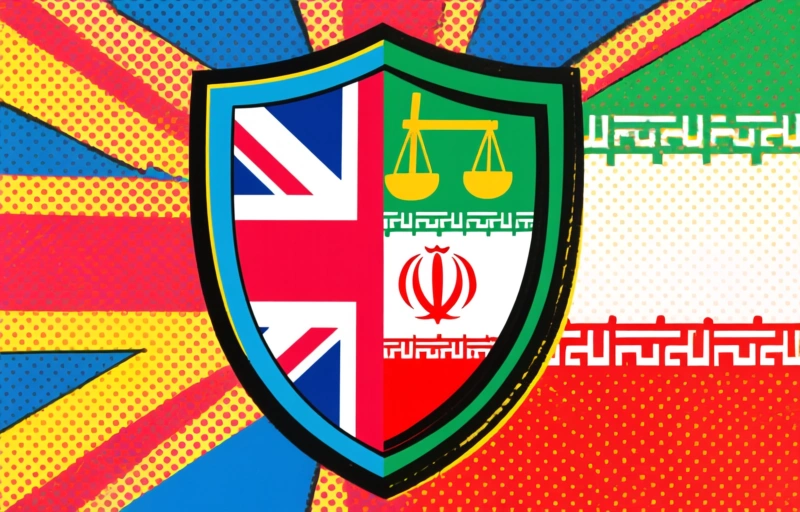
Experts clarify that international law prevents Britain from being automatically drawn into a conflict with Iran. Sovereignty and required parliamentary approval create significant legal barriers to involuntary engagement.
Let's talk about something that's been on a lot of minds lately. Can Britain get pulled into a conflict with Iran because of another country's actions? It's a heavy question, but the short answer from international law experts seems to be a pretty clear 'no.'
Think of it like this. International law has rules, just like any game. And one of the most important rules is about sovereignty. A country can't just be forced into a war it doesn't want. The UK makes its own foreign policy decisions, period.
### Understanding the Legal Framework
So, what does the law actually say? It's built on treaties and customary practices that have developed over decades. The key principle here is that military action requires a clear, national decision. There's no legal mechanism that automatically drags an ally into a fight.
It's not about friendship or alliances in the legal sense. It's about a formal declaration, a vote in parliament, a conscious choice to commit troops. Without that deliberate step, Britain remains on the sidelines, legally speaking.
### What Experts Are Saying
Legal scholars point to a few critical points. First, the concept of 'collective self-defense' under Article 51 of the UN Charter is invoked by a state, not for a state. Britain would have to claim an armed attack occurred against itself or a close ally to justify joining a conflict.
Second, the UK's own constitutional processes are a huge hurdle. The government would need to make a case to Parliament. Given the political climate and recent history, that's a very high bar to clear. Public and parliamentary opinion would play a massive role.
- **Sovereignty is Paramount:** The UK controls its own foreign policy.
- **No Automatic Triggers:** Alliances like NATO have specific conditions for collective defense.
- **Parliamentary Approval is Key:** Recent conventions require a vote before engaging in conflict.
As one analyst put it, 'The law provides a shield, not a doorway. It protects a nation's right to choose peace, even when allies choose a different path.'
### The Real-World Implications
This legal reality creates a significant buffer. It means geopolitical tensions don't automatically translate into new battlefields for British forces. The government has the space, and the legal backing, to assess the situation independently.
It also places a huge emphasis on diplomacy. When the law says you can't be forced in, every conversation, every negotiation, becomes that much more important. The focus shifts to de-escalation and finding political solutions, which is ultimately where lasting stability is found.
In the end, while the headlines can feel alarming, the framework of international law offers a measure of stability. It sets clear boundaries and demands deliberate action over automatic escalation. For professionals watching these situations unfold, understanding this legal landscape is crucial for separating political rhetoric from practical possibility.