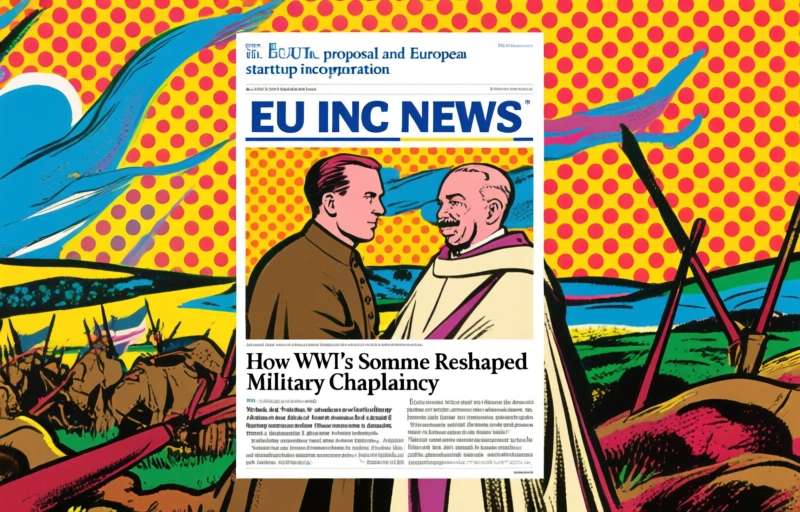
Dr Linda Parker reveals how the Battle of the Somme transformed military chaplaincy, moving clergy from safe rear positions to the dangerous front lines where they provided essential pastoral care and human connection amid war's chaos.
When we think about the Battle of the Somme, images of mud, trenches, and unimaginable sacrifice come to mind. But one of the less-talked-about transformations that came out of that brutal campaign was the evolution of the military chaplain’s role. Dr Linda Parker, a historian who has spent years studying this shift, shows us how frontline pastoral care changed forever during those months in 1916.
Before the Somme, chaplains were often seen as distant figures—men who led Sunday services safely behind the lines. But the sheer scale of casualties and the psychological toll of industrialized warfare forced a radical rethink. Chaplains began to move into the trenches, sharing the same mud, fear, and danger as the soldiers they served. This wasn't just about religion anymore; it was about presence.
### The Shift to Frontline Ministry
The Somme was a wake-up call. With over 57,000 British casualties on the first day alone, the need for spiritual and emotional support right at the front became undeniable. Chaplains started carrying stretchers, comforting the wounded, and even helping to bury the dead under fire. They became a symbol of hope in a landscape of despair.
- They learned to listen more than preach.
- They offered practical help, like writing letters home for injured soldiers.
- They provided a calm voice amid the chaos.
This hands-on approach changed how soldiers viewed faith. A chaplain who was willing to risk his life to bring a sip of water to a dying man earned more respect than any sermon ever could.
### Modern Lessons from the Trenches
Today, military chaplains still draw on lessons from the Somme. Whether serving in Iraq, Afghanistan, or on humanitarian missions, their role is rooted in that same principle: be present. The job has expanded to include mental health support, crisis counseling, and even mediating moral dilemmas. But at its core, it’s about human connection.
> "The chaplain who shared the soldier's rations and slept in the same mud was worth a dozen who stayed in the rear." — Dr Linda Parker
This quote captures the essence of the change. It wasn’t doctrine that made chaplains effective; it was their willingness to be vulnerable alongside the troops.
### Why This Still Matters
The Battle of the Somme is often remembered for its horror, but it also gave us a blueprint for compassionate care in the most extreme conditions. For chaplains today, the lesson is clear: you can’t help someone from a distance. You have to be willing to walk into their hell, sit beside them, and remind them they’re not alone.
In a world where frontline workers—from medical staff to crisis responders—face unprecedented stress, the chaplain’s evolution offers a timeless insight. Sometimes the most powerful thing you can offer isn’t an answer, but your presence.
Dr Parker’s work reminds us that history isn’t just about dates and battles. It’s about how ordinary people adapted to extraordinary circumstances, and how those adaptations shape us still.