How UK Shopping Habits Are Changing in 2026
Jan de Vries ·
Listen to this article~4 min
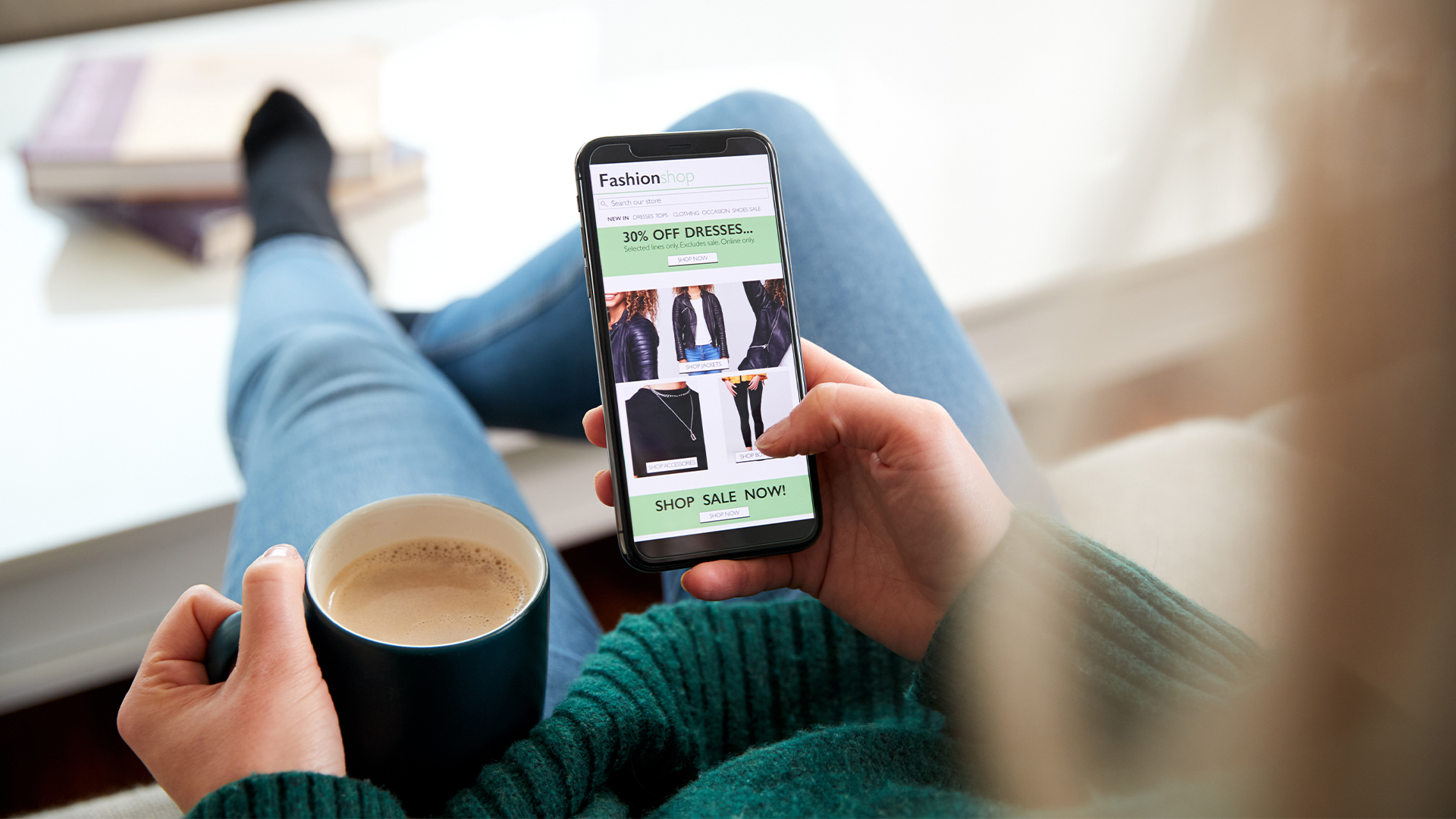
UK shopping habits are shifting fast. Discover how social media, second-hand growth, and a craving for authenticity are reshaping where and why people buy in 2026.
Let's talk about how people are shopping these days. It's not just about walking into a store anymore. Shopping has become this whole mix of clicking, scrolling, and actually touching things. A recent survey of 2,000 UK consumers gives us a clear picture of what's happening, and honestly, some of it might surprise you.
### Where Are People Shopping Now?
The lines are totally blurred. People aren't loyal to just one way of buying things. They're hopping between physical stores, online marketplaces, social media apps, and second-hand platforms. It all comes down to what's easiest, cheapest, and feels most trustworthy in the moment.
Online shopping is still growing strong. About 29% of people say they're buying more digitally than they were a year ago. But it's creating a squeeze for smaller, independent shops. Nearly a quarter of shoppers (23%) admit they're visiting those local stores less often. When speed and value are the top priorities, the high street can struggle to keep up.
Here's the interesting twist, though. Second-hand shopping is having a major moment. Almost one in three people (29%) are hitting up thrift stores or online resale platforms more frequently. It's not just about saving money—it's a conscious choice for sustainability.
And then there's social media. It's not just for memes and vacation photos anymore. For 29% of Brits, platforms like Instagram and TikTok are becoming genuine shopping destinations. Discovery-led shopping, where you see an ad or a creator's post and just buy it, is bigger than ever.
### What Actually Drives a Purchase?
You'd think with all this tech, old-school methods would fade away. Not so fast. A full third of consumers (33%) say TV commercials are still the most influential thing pushing them to buy. That's more than social media ads, influencer posts, or anything AI can cook up.
Speaking of AI, trust is a huge issue here. Only 12% of people say they trust product recommendations from artificial intelligence. There's a lot of skepticism. What *does* work? Real-world, tangible experiences. Over a third (37%) said the best way for a brand to win them over would be with free samples.
It tells us something important. Technology is great for finding new things, but to build real loyalty, brands need to get back to basics: authenticity, transparency, and offering genuine value you can see and feel.
As one retail analyst recently noted, "The human touch in commerce is irreplaceable. Data can point the way, but trust closes the deal."
### How Men and Women Shop Differently
Shopping preferences aren't one-size-fits-all, and they vary noticeably between genders, especially when we look at physical stores and social media.
- **Returning to Stores:** Women are leading the charge back to brick-and-mortar. 30% of women say they've shopped in physical stores more in the past year, compared to just 17% of men.
- **Social Shopping:** Women are also ahead in social commerce. 33% have increased their purchases through social platforms, versus 25% of men.
- **Second-Hand Growth:** Both groups are embracing second-hand, but women are slightly more engaged. 32% of women are using online second-hand platforms more, compared to 25% of men.
- **Marketing Influence:** When it comes to what sways them, men are most persuaded by traditional TV advertising (35%).
The big takeaway? Shopping isn't what it used to be. It's fragmented, personal, and driven by a mix of old habits and new tech. For businesses, the challenge is to be present everywhere—online, offline, and in the feed—while never losing sight of the real, human connection that ultimately makes someone choose you.