How Equipment Marketplaces Are Revolutionizing Construction
Jan de Vries ·
Listen to this article~5 min
Construction is ditching the phone book for digital marketplaces. These platforms connect contractors with equipment suppliers faster, offering transparency and flexibility that traditional methods can't match.
For decades, the construction industry ran on handshake deals and local phone books. You know the drill—contractors would spend hours, sometimes days, calling every supplier they knew. They'd compare prices, haggle over terms, and arrange transport, all before a single piece of machinery ever hit the job site. It was a system built on relationships, and for a long time, it worked. But modern projects are bigger, more complex, and spread across multiple states. That old-school way of sourcing equipment? It's hitting its limits.
Something's changed in the last few years, though. The industry is finally going digital. Online equipment marketplaces are popping up, and they're turning the whole procurement process on its head. Think of them as a massive, searchable directory for heavy machinery. Instead of making twenty calls, a project manager can browse, compare, and book an excavator or a crane in minutes. With a global surge in infrastructure spending, these platforms aren't just a convenience—they're shaping the future of how we build.
### The Old Way Was Slow and Painful
Let's be real. Construction lives and dies by its equipment. You need excavators, loaders, graders, and cranes—the right ones, at the right time, on the right site. But securing that gear used to be a major headache.
Traditional sourcing was a slow, manual grind. You'd lean on your personal network or the same few local suppliers. That's fine for a small, local job. But what happens when you're managing a project spanning hundreds of miles, or you need a specialized piece of equipment fast? The system starts to crack.
We've all faced these challenges:
- Tracking down what's actually available feels like a wild goose chase.
- Phoning supplier after supplier eats up your entire morning.
- Comparing apples-to-apples on price and availability is a nightmare.
- A last-minute equipment shortage can derail your schedule and blow your budget.
As projects grow in scale and ambition, these inefficiencies aren't just annoying—they're costly. They're the reason the industry is desperately looking for a better way.

### The Digital Shift is Here
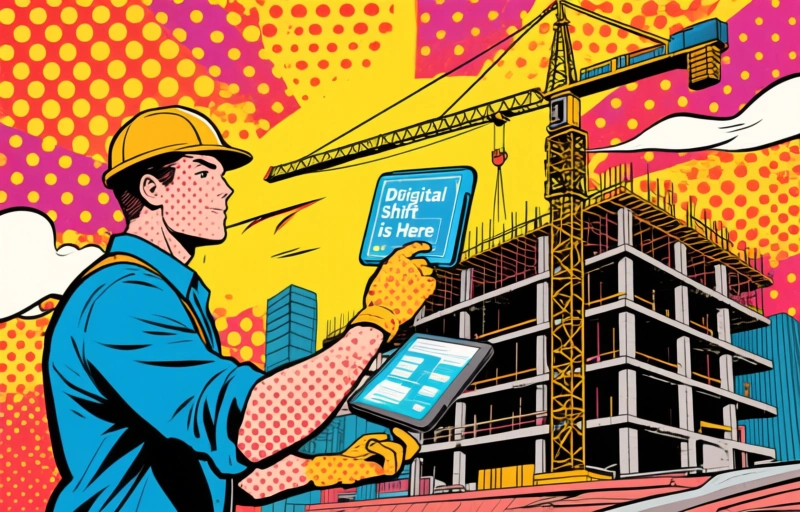
The construction world is gradually embracing digital tools for project management, and equipment buying is a huge part of that. Enter the equipment marketplace.
Platforms like these act as a central hub. Contractors can see listings from dozens, even hundreds, of suppliers all in one place. No more endless phone calls. You browse online, check specs, see real-time availability, and compare rental rates side-by-side. It cuts sourcing time from days to minutes.
The benefits are pretty clear:
- **Total Visibility:** See exactly what's out there, from standard skid-steers to 100-ton cranes.
- **Faster Comparisons:** Side-by-side quotes make decision-making simple.
- **Detailed Listings:** Get all the specs, photos, and condition reports upfront.
- **Broader Network:** Access a national pool of suppliers, not just your local guys.
- **Time Saved:** This is the big one. Reclaim hours of your week for actual project management.
For procurement teams, this is a game-changer. It simplifies logistics and brings a level of transparency that was just impossible before.
### Why Flexibility is the New Currency
Here's a truth every contractor knows: no two projects are the same. One job might need a fleet of bulldozers for six months; the next might require a single specialized crane for two weeks. Owning all that equipment outright is a massive capital drain. When work slows down, you're left with millions of dollars in machinery sitting idle.
That's why flexibility has become the top priority. As one seasoned project manager put it, "The ability to scale equipment up or down with our project pipeline is what keeps us competitive and profitable."
This is where marketplaces truly shine. They enable an on-demand model. Need a dozen aerial lifts for a three-month high-rise facade project? You can source them. Need a single concrete pump for a weekend? You can do that too. It turns fixed equipment costs into variable, project-specific expenses. This operational agility lets contractors bid more competitively and adapt to market changes without being weighed down by underutilized assets. The shift isn't just about technology; it's about building a smarter, more resilient business model for the modern age.