How Books Really Become Bestsellers: The Hidden Truth
Jan de Vries ·
Listen to this article~5 min
Bestseller status involves more than just sales—it's about strategic visibility and cultural timing. Discover how books really earn that coveted label.
You've probably seen those shiny "New York Times Bestseller" stickers on book covers and wondered, "How did that happen?" Well, let's have a real talk about it. The truth is, that little sticker isn't just about selling a ton of copies. It's about something much more complex and interesting.
We often think a bestseller means everyone's buying it, right? But that's only part of the story. Actually, it's more about perception, timing, and a whole lot of strategy behind the scenes.
### The Three Pillars of Bestseller Status
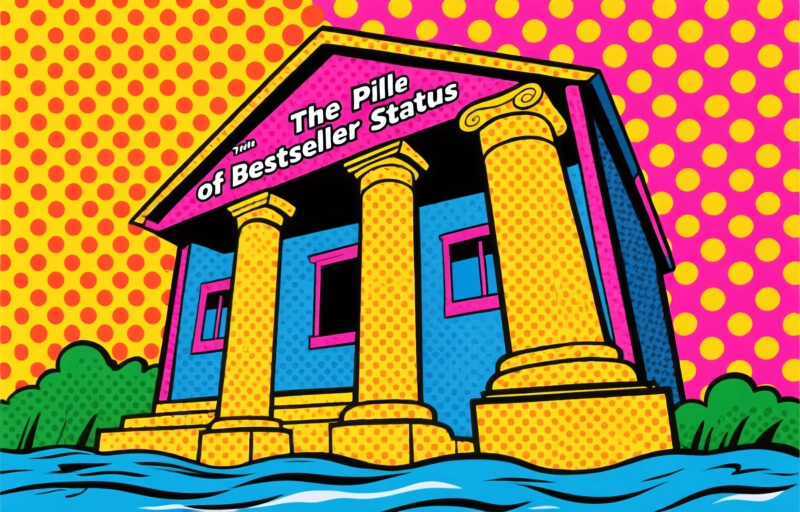
Think of bestseller status like building a house. You need a solid foundation, and that foundation has three main pillars. Without all three, the whole thing might just wobble.
First, there's visibility. A book can't become a bestseller if no one knows it exists. That's where marketing comes in—social media buzz, bookstore placement, media coverage. It's about getting the book in front of the right eyes at the right time.
Second, there's strategy. This isn't accidental. Publishers often plan launch dates carefully, sometimes even holding back shipments to create demand. They might focus efforts on specific retailers whose sales are tracked by major lists.
And third, there's cultural validation. This is the magic ingredient. It's when a book starts conversations, gets shared in book clubs, or feels relevant to current events. It becomes more than just a product—it becomes part of the cultural moment.
### It's Not Just About the Numbers
Here's where things get really interesting. The sales numbers that qualify for bestseller lists? They're often lower than you'd think. We're talking about selling maybe 5,000 to 10,000 copies in a week to hit some lists. In a country of over 330 million people, that's a tiny fraction.
What matters more is *where* those sales happen. Most major bestseller lists track sales from specific retailers. So a publisher might concentrate their efforts on those stores during a crucial week. It's like focusing your energy where it counts most.
As one industry insider once noted, "Bestseller lists measure velocity, not lifetime sales. A book can sell quickly in the right places and earn that status, even if another book sells more copies over years."
### The Strategy Behind the Scenes
Let's pull back the curtain a bit. How do publishers actually make this happen?
- They often pre-sell large quantities to booksellers before publication
- They might schedule author events strategically during tracking weeks
- They coordinate with influential reviewers and media outlets
- They sometimes use special pricing or promotions at key retailers
- They build anticipation through advance reader copies and early reviews
It's a coordinated effort that starts months, sometimes years, before the book even hits shelves. Every detail is considered—from the cover design to the publication date.
### Why This Matters for Readers
You might be wondering, "Does this make bestseller lists meaningless?" Not at all. But it does mean we should read them with different eyes.
A bestseller sticker tells you a book has momentum. It tells you people are talking about it. It tells you the publisher believed in it enough to invest serious resources. But it doesn't necessarily mean it's the "best" book or that it has sold millions of copies.
What's fascinating is how this system actually creates opportunities. Sometimes a book becomes a bestseller through this strategic push, then genuine word-of-mouth takes over. The initial boost gets people reading, and if they love it, they tell their friends. That organic growth is what turns a strategic bestseller into a true cultural phenomenon.
### Looking Beyond the Label
Next time you see that bestseller sticker, remember there's a whole world behind it. It represents not just sales, but careful planning, cultural timing, and strategic positioning. Some books earn their place through pure reader passion. Others get there with a helpful push from savvy publishing teams. Most need a combination of both.
The real magic happens when strategy meets genuine connection—when all that planning and positioning results in a book that actually resonates with readers. That's when a bestseller becomes more than just a marketing achievement. It becomes a book that people remember, recommend, and return to year after year.
And that, ultimately, is what every author and publisher truly wants: not just a sticker on the cover, but a place in readers' hearts and on their shelves for years to come.