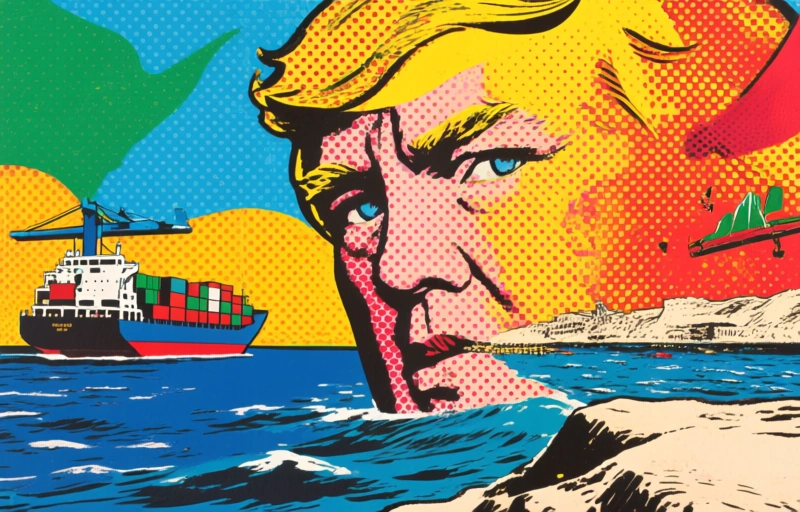
Explore how centuries of maritime rivalry in the Strait of Hormuz shape today's geopolitical tensions and shipping disruptions. Learn key lessons for U.S. policy.
The Strait of Hormuz is one of the most critical waterways in the world. It connects the Persian Gulf to the Gulf of Oman, and about 20% of the world's oil passes through it. But recent tensions have put this narrow passage back in the spotlight. If you're watching the news, you might wonder: what's really going on here?
Let's rewind a bit. The Strait of Hormuz isn't just a modern headache. It's been a stage for maritime rivalry for centuries. Think of it like a busy highway that everyone wants to control. From the Portuguese in the 1500s to the British Empire later on, countries have fought over who gets to call the shots. This history helps explain why today's conflicts feel so intense.
### Why the Strait Matters So Much
Here's the thing: the Strait is only 21 miles wide at its narrowest point. That's like a short commute, but for massive oil tankers. Any disruption here can send shockwaves through global markets. For the United States, this is a big deal because stable oil prices affect everything from gas at the pump to our economy's health.
- **Oil flow**: Over 17 million barrels of oil pass through daily.
- **Military stakes**: The U.S. Navy has a strong presence to keep shipping lanes open.
- **Regional power**: Iran, which borders the Strait, has threatened to block it in the past.

### What History Teaches Us
History isn't just old stories. It's a playbook. For example, during the Iran-Iraq War in the 1980s, both sides attacked oil tankers in the Strait. The U.S. stepped in to protect shipping, leading to clashes. Sound familiar? Today, similar patterns are emerging. The key takeaway? Threats to the Strait often lead to military escalation.
Another lesson is that economic pressure works both ways. When Iran threatens to close the Strait, it risks its own oil exports. But it also pressures global prices. This creates a tense game of chicken. For leaders like Trump, understanding this history can guide smarter decisions. Instead of reacting with force, there might be room for diplomacy.
### The Human Side of the Crisis
Beyond politics, this crisis affects real people. Shipping companies face higher insurance costs. Oil prices rise, hitting families at the pump. And sailors in the region live with constant risk. It's easy to forget that these aren't just headlines. They're lives and livelihoods.
- **Insurance premiums**: Have jumped by 10% for ships in the area.
- **Fuel costs**: A 5% increase in oil prices can mean $0.15 more per gallon.
- **Crew safety**: Sailors face threats from mines and small boats.
### What Can Trump Learn?
For any U.S. president, the Strait of Hormuz is a test of strategy. The easy answer is to send more ships. But history shows that military buildup can escalate tensions. A better approach might be to use economic tools and alliances. For instance, working with allies like Saudi Arabia and the UAE to secure the Strait without provoking Iran.
Also, remember that the Strait isn't just about oil. It's about global stability. A crisis here can ripple into trade, travel, and even food prices. So, the lesson is clear: don't underestimate the Strait. It's a small piece of water with huge consequences.
### Final Thoughts
In the end, the Strait of Hormuz crisis is a reminder that history repeats itself if we don't pay attention. By studying past conflicts, leaders can avoid making the same mistakes. For the U.S., staying engaged but smart is the way forward. And for us, it's a chance to understand how a narrow strait can shape our world.
The post What history can teach Trump about the Strait of Hormuz crisis appeared first on The European Magazine.