Hindu Kush Glacier Crisis: Asia's Water Security at Risk
Jan de Vries ·
Listen to this article~4 min
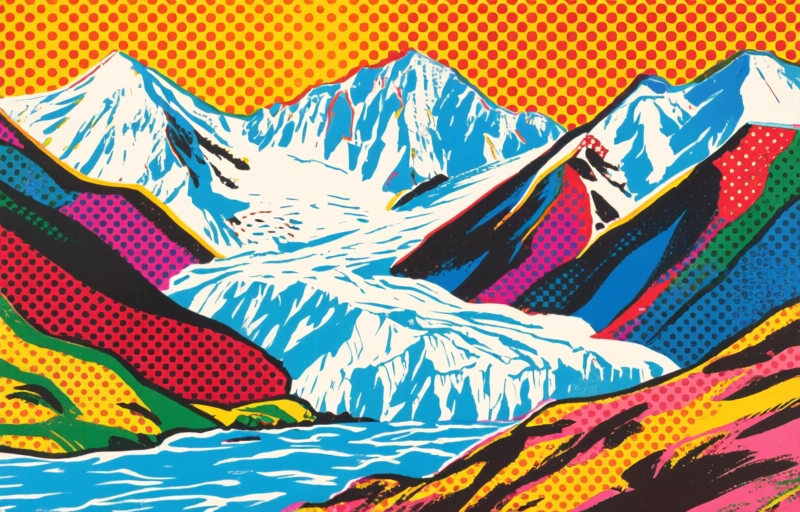
Hindu Kush Himalayan glaciers are melting at accelerating rates, threatening water security for billions across Asia. This crisis affects agriculture, drinking water, and regional stability.
Let's talk about something that doesn't get enough attention but affects billions of people. The glaciers in the Hindu Kush Himalaya region are melting at an alarming rate. We're not talking about a slow, natural process here. This is accelerating faster than scientists predicted, and it's creating a real water security crisis for Asia.
You might wonder why glaciers thousands of miles away matter to you. Well, these ice masses are often called the "Third Pole" because they hold the largest reserve of fresh water outside the polar regions. When they disappear, they don't just affect local communities—they disrupt weather patterns, agriculture, and economies across continents.
### Why This Melting Matters More Than You Think
Think of these glaciers as massive, natural water towers. They store water during wet seasons and release it slowly during dry periods. This regulated flow supports:
- Agriculture that feeds billions
- Drinking water for major cities
- Hydropower that generates electricity
- Ecosystems that maintain biodiversity
When the glaciers shrink too quickly, that balance gets thrown off. You get too much water at once (causing floods) followed by not enough (causing droughts). It's like removing the buffer from a system that needs stability to function.
### The Human Cost of Melting Ice
Here's where it gets personal. We're talking about real communities facing real challenges. Farmers who've relied on predictable meltwater for generations are now watching their livelihoods become unpredictable. Cities that grew around stable water sources are facing shortages. The numbers are staggering—some reports suggest up to two billion people could be affected by changes in these water systems.
What's particularly concerning is how quickly this is happening. Recent studies show the loss has doubled in the last twenty years compared to the previous twenty. That's not a gradual change—that's an acceleration that should make everyone pause.
### What Can Be Done About It?
This isn't just about sounding alarms. There are practical steps being discussed and implemented. Adaptation strategies include:
- Better water management systems
- Early warning systems for floods
- Drought-resistant crops
- International cooperation on water sharing
But here's the thing—adaptation has limits. There's only so much you can do when the fundamental water source is disappearing. That's why mitigation (slowing climate change) remains crucial. It's like trying to fix a leak while someone's still pouring water on the floor.
One expert put it well when they said, "We're not just losing ice—we're losing a critical component of Asia's water security system." That perspective shifts the conversation from abstract environmental concern to concrete human impact.
### Looking Ahead
The situation is serious, but not hopeless. Increased monitoring, better data sharing between countries, and community-based adaptation projects are showing promise. The key is recognizing this as a shared challenge rather than a distant problem.
What happens in these mountains doesn't stay in these mountains. Water cycles connect us all, and disruptions in one region ripple across the globe through food systems, migration patterns, and economic stability. Understanding that connection is the first step toward meaningful action.
So next time you hear about melting glaciers, remember—it's not just about ice. It's about people's lives, their food, their homes, and their futures. And that's something worth paying attention to, no matter where you live.