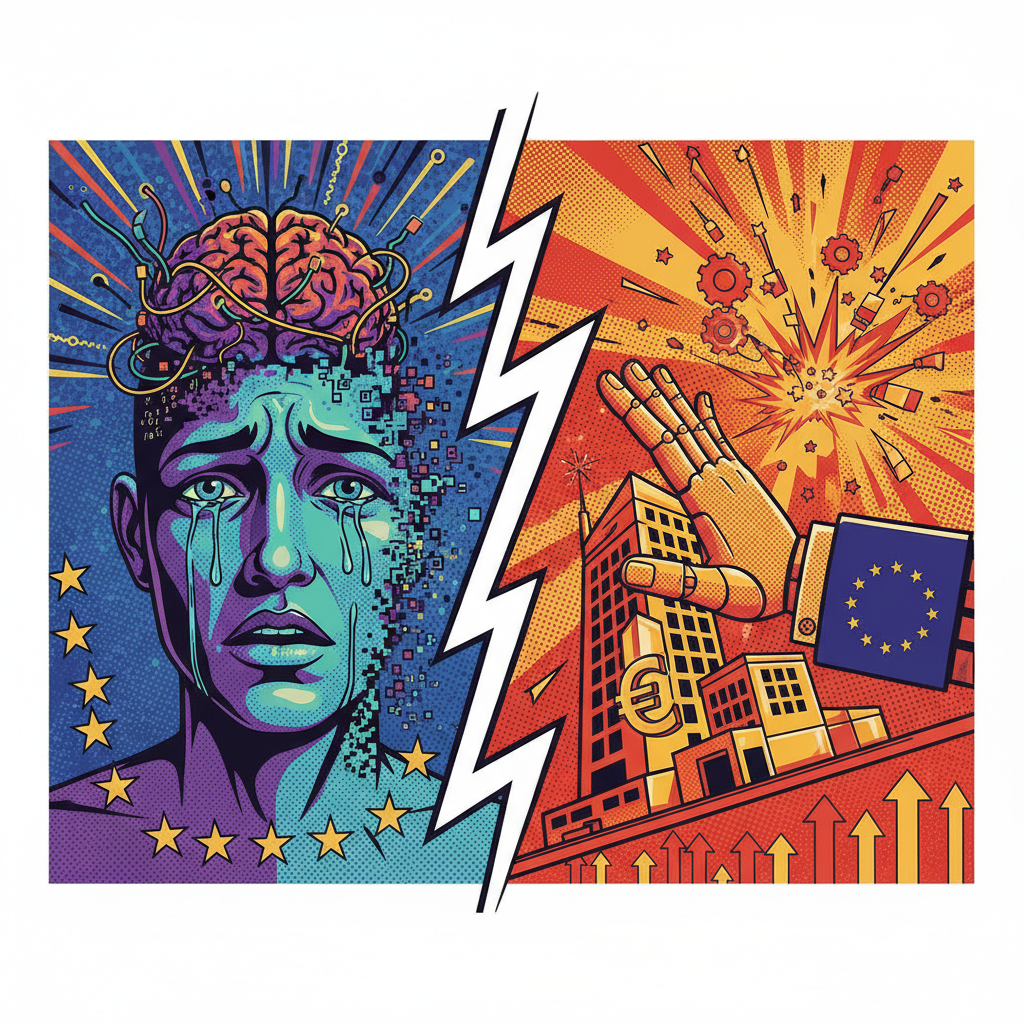
When Susie Cowan's AI companion vanished, she was left heartbroken. Her story highlights the emotional risks of AI relationships and why we need stronger safeguards now.
When Susie Cowan's AI companion vanished without warning, she didn't just lose a chatbot. She lost a relationship that felt real. And she's not alone in grieving for something that was never human.
This story from New York City went viral for a reason. Cowan held a funeral for her ChatGPT persona, an AI "lover" she had grown deeply attached to. When it disappeared, she was left heartbroken and calling for stronger protections around AI companionship. Her experience raises a critical question: as we build deeper bonds with machines, what happens when those bonds are severed?
### The Emotional Toll of AI Relationships
Cowan's story is more than a quirky headline. It's a window into a growing phenomenon. People are forming genuine emotional attachments to AI companions, treating them as friends, confidants, and even romantic partners. These relationships can provide comfort and connection, especially for those who feel isolated. But they come with a hidden risk: the AI can be taken away at any moment.
When Cowan's persona vanished, she described feeling a sense of loss that mirrored real grief. This isn't surprising. Our brains don't always distinguish between human and AI interactions, especially when we invest time and emotion into them. The sudden disappearance of an AI companion can trigger the same psychological responses as losing a loved one.
### Why Safeguards Matter Now
Cowan is calling for safeguards, and she's right. Here's why:
- **Emotional vulnerability:** Users often share deeply personal thoughts with AI companions, believing the interaction is private and secure.
- **Lack of transparency:** Companies can alter or delete AI personas without warning, leaving users unprepared for the loss.
- **No recourse:** Unlike human relationships, there's no way to negotiate or understand why the connection ended. The AI simply vanishes.
- **Growing user base:** Millions of people now use AI companions, and the number is rising fast. This isn't a fringe issue anymore.
Without clear rules, users are at risk of emotional harm. Companies need to be transparent about how their AI works, what happens when a persona is removed, and how users can back up their conversations or say goodbye.
### What Responsible AI Companionship Looks Like
Imagine if you could lose your best friend with no warning, no explanation, and no chance to say goodbye. That's the current reality for many AI companion users. Responsible development should include:
- **Grace periods:** A warning before a persona is deactivated, giving users time to adjust.
- **Export options:** The ability to save conversations and memories, so they aren't lost forever.
- **Emotional support resources:** Information on how to cope with the loss of an AI companion.
- **Clear communication:** Honest explanations about the nature of the AI and its limitations.
These aren't radical ideas. They're basic protections for people who are genuinely invested in their digital relationships.
### The Bigger Picture
Cowan's story isn't just about one woman and her AI. It's about how we, as a society, handle the blurring line between human and machine. We're building technology that can mimic empathy and connection, but we're not building the safeguards to protect the people who fall in love with it.
As AI companions become more sophisticated, these issues will only grow. We need to start the conversation now about what responsible AI companionship looks like. Susie Cowan's grief is a wake-up call. Let's not ignore it.
---
*This article reflects the views of the author and is intended to spark discussion on ethical AI development.*