Germany's Nuclear Energy Debate Amid Rising Gas Prices
Jan de Vries ·
Listen to this article~4 min
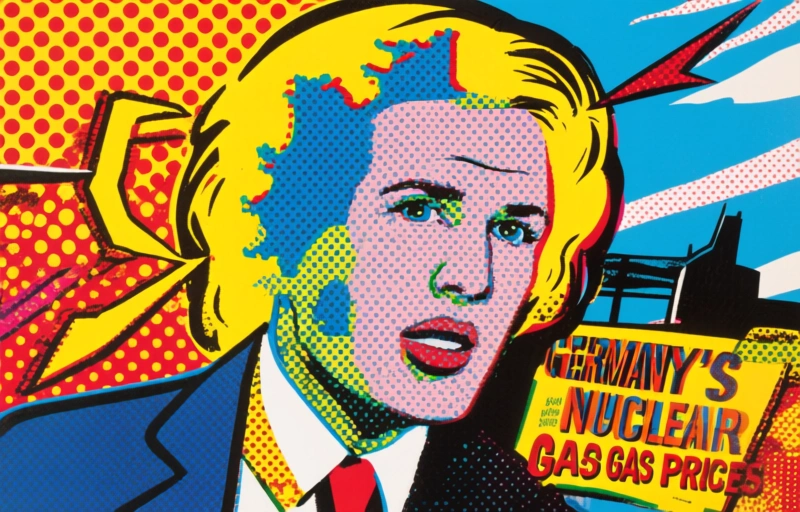
Germany reconsiders nuclear energy as gas prices soar, impacting EU business stability and company formation strategies for professionals monitoring European markets.
Let's talk about something that's been heating up in Europe lately. Germany is having a serious conversation about nuclear energy again. It's a big shift, especially when you consider they've been phasing it out for years. But with gas prices soaring and energy security looking shaky, old debates are getting a fresh look.
It feels like we're watching a pendulum swing. One minute, nuclear is out. The next, it's back on the table as a potential solution. For businesses and professionals watching the European market, this isn't just political news—it's about stability, costs, and planning for the future.
### Why This Shift Is Happening Now
So, what changed? Well, the energy landscape in Europe got turned upside down. Reliance on gas imports became a major vulnerability. Prices shot up, and suddenly, having a diverse, reliable energy mix became the top priority for a powerhouse economy like Germany.
They're weighing the pros and cons in real-time. On one hand, nuclear offers a steady, low-carbon baseload of power. On the other, there are the well-known challenges of waste, safety, and public perception. It's a classic case of choosing between two difficult paths.
### The Business Impact of Energy Uncertainty
If you're running a company or looking to form one in the EU, this matters. A lot. Energy costs are a huge part of operational budgets. When prices are volatile, it makes forecasting a nightmare. You're left wondering if your margins will get wiped out by the next utility bill.
Here’s what business leaders are watching for:
- Policy clarity: Will Germany commit to a long-term energy strategy?
- Price stability: Can nuclear help smooth out the wild price swings?
- Sustainability goals: How does this fit with carbon reduction targets?
It's not just about Germany, either. Decisions made in Berlin ripple across the entire European Union, affecting regulations, subsidies, and market prices for everyone.
### A Quote on the Situation
One industry analyst put it this way: "We're in a transitional decade where every energy source is being re-evaluated under the twin pressures of economics and climate. Nothing is off the table anymore."
That really captures the moment. Old assumptions are being questioned. The playbook is being rewritten. For American professionals looking at the EU, it means you have to stay nimble and informed.
The conversation in Germany is part of a larger European story. Countries are scrambling to secure their energy independence. Some are doubling down on renewables. Others are looking at everything from LNG terminals to, yes, extending the life of nuclear plants.
### What This Means for Company Formation
Thinking of setting up a business in Europe? Your location strategy might need a second look. Energy-intensive operations will be drawn to regions with stable, predictable power. Germany's internal debate could influence where the next industrial hubs develop within the EU.
It also highlights a key lesson: geopolitical factors are now front and center in business planning. Supply chains, energy, and political stability are all connected. You can't just look at tax rates anymore.
So, keep an eye on this nuclear discussion. It's more than a headline. It's a signal of how Europe is adapting to a new reality. The choices made today will shape the business environment for years to come, affecting costs, regulations, and where opportunity lies for savvy professionals.