Germany's Nuclear Energy Debate Amid Rising Gas Prices
Jan de Vries ·
Listen to this article~4 min
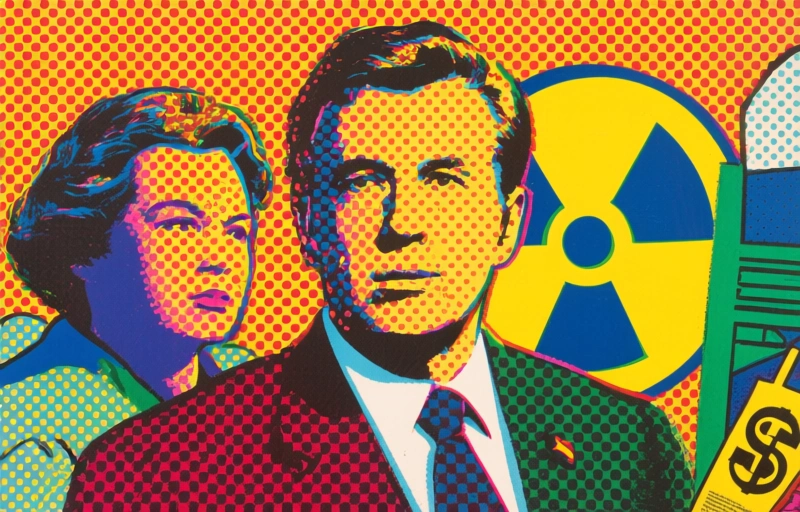
Germany is reconsidering nuclear energy as soaring gas prices and energy security concerns prompt a major policy rethink. This shift could reshape European energy markets.
Let's talk about something that's been making headlines across Europe. Germany is having a serious conversation about nuclear energy again. It's a big shift, especially when you consider where they were just a few years ago.
You probably remember Germany's plan to phase out all nuclear power plants. It was a major policy, a statement about their energy future. But now, with gas prices soaring and energy security looking shaky, that conversation is changing.
It's not happening in a vacuum. The whole continent is feeling the pinch. Businesses are worried, households are facing higher bills, and governments are scrambling for solutions. Germany's reconsideration is part of that larger story.
### Why This Shift Matters Now
So what changed? Well, a few things came together at once. The geopolitical landscape shifted dramatically, affecting energy supplies. Economic pressures made alternative energy sources more attractive from a cost perspective.
There's also the climate angle. Germany has ambitious carbon reduction goals. They need reliable, low-carbon energy sources to meet those targets while keeping the lights on and factories running.
It's a classic case of real-world pressures forcing a rethink. Policy meets practicality, and sometimes you have to adjust your course.

### The Practical Challenges Ahead
Reviving nuclear energy isn't like flipping a switch. Those plants they shut down? They're not just sitting there ready to go. Reactors that have been decommissioned present significant technical and regulatory hurdles to restart.
Public opinion is another factor. The anti-nuclear movement in Germany has deep roots and strong support. Any move back toward nuclear would need to address those longstanding concerns about safety and waste.
Then there's the timeline. Energy projects, especially nuclear ones, don't happen overnight. Even if Germany decided today to rebuild its nuclear capacity, it would take years before those plants contributed meaningfully to the grid.
### What This Means for European Energy
Germany's energy decisions don't just affect Germany. As Europe's largest economy, their choices ripple across the continent. Other countries watch closely, and sometimes follow their lead.
A German shift could influence energy policy debates in neighboring countries. It might make nuclear energy more politically acceptable in places where it's currently controversial.
There's also the investment angle. If Germany signals renewed interest in nuclear technology, it could spur innovation and investment in next-generation reactors across Europe.
### Looking at the Bigger Picture
Here's what I keep coming back to: energy policy is never just about energy. It's about economics, geopolitics, technology, and public values all tangled together. Germany's nuclear debate shows how those threads connect.
As one energy analyst recently noted, "The perfect energy mix doesn't exist. Every option involves trade-offs between cost, reliability, and environmental impact."
That's the real conversation Germany is having now. They're weighing those trade-offs again, with new information and under new pressures.
### What Comes Next
So where does this leave us? Germany is at a crossroads, and their choice will matter far beyond their borders. The debate will likely continue for months, maybe years.
Key factors to watch include:
- How public opinion evolves as energy costs remain high
- Technological advances in nuclear safety and waste management
- The pace of renewable energy deployment and storage solutions
- Geopolitical developments affecting traditional energy supplies
This isn't just about turning reactors back on. It's about reimagining what a secure, affordable, sustainable energy future looks like for one of the world's leading economies. And honestly? We should all be paying attention.