Germany's Nuclear Energy Debate Amid Rising Gas Costs
Jan de Vries ·
Listen to this article~3 min
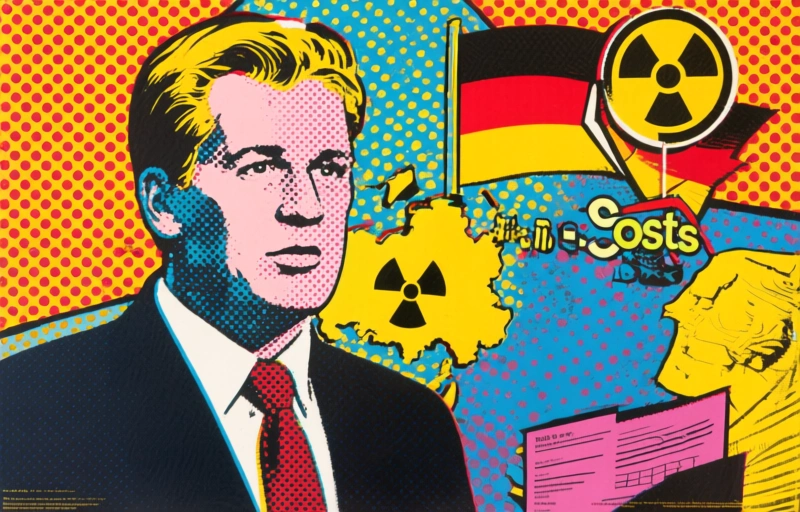
Germany reconsiders nuclear energy as soaring natural gas prices challenge its phase-out plans, highlighting the volatile intersection of economic pressure and long-term energy strategy.
So, you're probably hearing a lot about energy prices these days. It's not just talk at the gas pump—it's reshaping national policies across Europe. Germany, a powerhouse economy, is now having a serious conversation it thought it had closed: nuclear power.
It's a major shift. The country had been steadily phasing out its nuclear plants, a decision made years ago. But with natural gas prices soaring and energy security becoming a daily worry, old plans are getting a fresh look. It's a classic case of real-world pressures forcing a rethink.
### Why The Sudden Change of Heart?
Let's break it down simply. Germany, like much of Europe, relied heavily on natural gas. When those supplies got shaky and prices shot up, it created a perfect storm. Businesses faced unpredictable costs, and the government had to find stable, affordable alternatives—fast. Suddenly, the existing nuclear infrastructure, once seen as part of the problem, started looking like part of a potential solution.
This isn't just about flipping a switch. It's a complex debate with strong opinions on all sides. Proponents argue it provides a reliable, low-carbon baseload of power. Critics point to long-term waste and safety concerns. The government is now stuck in the middle, weighing immediate economic pressure against long-term environmental and political promises.
### What This Means for Business and Energy
For professionals watching the European market, this is a signal. Energy policy is no longer a slow-moving, predictable field. It's volatile. A country's strategic energy mix can change direction based on global events. Germany's deliberation shows how even settled policies are up for review when costs spiral.
Here’s what’s really at stake:
- **Energy Security:** Reducing dependence on imported gas.
- **Economic Stability:** Providing predictable energy costs for industry.
- **Climate Goals:** Balancing immediate needs with carbon reduction targets.
It’s a tough puzzle to solve. As one industry analyst recently noted, "When your back is against the wall, all options return to the table." That's where Germany finds itself today.
### Looking Beyond the Headlines
This discussion is bigger than one country's power plants. It's about how nations navigate the transition to cleaner energy while keeping the lights on and the economy running. Germany's experience is a case study for others. Can you integrate existing nuclear capacity into a future-focused green strategy, or is it a step backward?
The answer isn't simple. It involves tough trade-offs between cost, safety, sustainability, and independence. For now, the debate is open, and the outcome will ripple through European energy markets for years to come. It’s a reminder that in business and policy, the only constant is the need to adapt when the ground shifts beneath your feet.