German Firms Bullish on Central & Eastern Europe Growth
Jan de Vries ·
Listen to this article~3 min
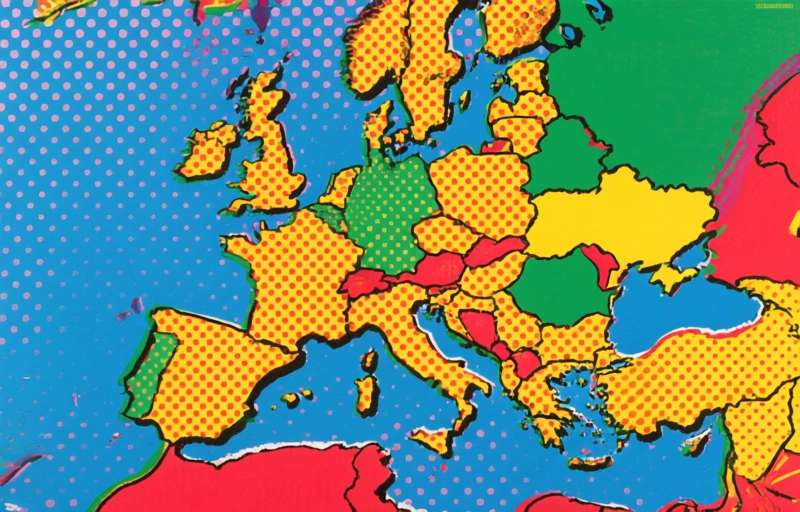
German companies show rising optimism for Central and Eastern Europe, with increased business and revenue expectations despite ongoing political risks, signaling strong growth confidence.
It's a fascinating time for business in Europe. While headlines often focus on political tensions, a quiet confidence is building among German companies looking eastward. They're seeing Central and Eastern Europe not just as a market, but as a genuine growth engine.
Despite the complex geopolitical landscape, the sentiment is surprisingly optimistic. Business and revenue expectations are on the rise. It seems the potential for profit and expansion is outweighing the perceived risks for many firms. This shift in perspective is significant and worth unpacking.
### Why the Optimism is Growing
So, what's driving this positive outlook? It's a combination of factors. The region offers competitive operational costs, a skilled workforce, and increasingly stable economies that are integrating more deeply with Western Europe. For German companies, it's about strategic positioning—getting closer to emerging consumer bases and optimizing supply chains.
It's not a blind leap of faith, either. This optimism is backed by concrete plans for investment and market entry. Companies are moving beyond mere exploration to committing real resources. They're betting on the long-term stability and growth trajectory of these nations.
### Navigating the Political Landscape
Let's be real, the political risks haven't vanished. Companies are fully aware of them. The key difference now is how they're managing those risks. Instead of seeing them as deal-breakers, firms are developing more sophisticated strategies to mitigate potential disruptions.
They're conducting deeper due diligence, building stronger local partnerships, and creating flexible operational models. The approach has evolved from avoidance to calculated engagement. As one industry insider recently noted, "The rewards for those who navigate the complexities successfully are substantial."
### Key Sectors Leading the Charge
This trend isn't uniform across all industries. Certain sectors are at the forefront of this eastward expansion:
- **Automotive and Manufacturing:** Leveraging established supply chains and manufacturing hubs.
- **Technology and IT Services:** Tapping into the region's strong technical talent pool.
- **Consumer Goods and Retail:** Targeting the growing middle-class consumer spending.
- **Business Services:** Establishing shared service centers for finance, HR, and customer support.
These industries see Central and Eastern Europe as integral to their European and global strategies, not just an afterthought.
### What This Means for Business Strategy
If you're involved in international business, this trend is a signal. It suggests that regions once considered purely "emerging" are maturing into reliable partners for growth. The playbook for international expansion is being rewritten.
Success here requires a nuanced approach. It's about understanding local markets, respecting cultural differences, and building genuine relationships. The companies that get this right are positioning themselves for a new era of European commerce.
The bottom line? German business leaders are sending a clear message: Central and Eastern Europe represent a compelling opportunity for growth. While challenges exist, the confidence in the region's economic future appears to be stronger than ever. It's a reminder that sometimes, the most promising opportunities lie just beyond the most discussed obstacles.