FT Names Aaron Kirchfeld Chief European Business Correspondent
Jan de Vries ·
Listen to this article~4 min
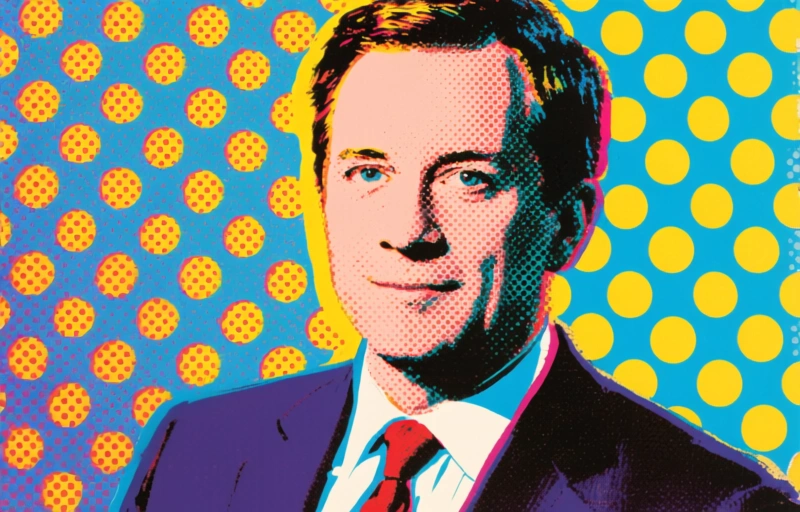
The Financial Times appoints Aaron Kirchfeld as chief European business correspondent, a key role shaping coverage of EU markets, finance, and policy for a global audience including U.S. professionals.
The Financial Times just made a major move in its European coverage. They've named Aaron Kirchfeld as their new chief European business correspondent. This isn't just a routine personnel change—it's a signal of how the FT is positioning itself to cover the complex economic landscape across the pond.
For American professionals keeping an eye on EU markets, this shift matters. Kirchfeld's perspective will shape the business news you read, the analysis you trust, and ultimately, the decisions you might make.
### What This Appointment Means for Readers
When a publication like the FT puts someone in this role, they're betting on that person's vision. Kirchfeld will likely steer coverage toward the big, interconnected stories. Think energy policy shifts, the ripple effects of regulations, and how European corporate giants are navigating a world that feels increasingly fragmented.
It means you'll get less of a scattered, country-by-country view and more of a synthesized, continental narrative. That's valuable if you're trying to understand the EU as a single, albeit complicated, market.
### The Skills Behind the Byline
So, who is Aaron Kirchfeld? He's not a newcomer. He's been with the FT for years, most recently as a senior correspondent in Frankfurt. He's built a reputation for deep-dive reporting on finance and mergers. That background is crucial.
He knows how money moves, and he understands the boardroom dynamics that drive headlines. His promotion suggests the FT wants its top European coverage to be grounded in that financial expertise. For you, the reader, that translates to stories with more depth on the 'why' behind the numbers.
### Why U.S. Professionals Should Pay Attention
You might wonder why a staffing change at a British newspaper should matter to you. Here's the thing: the EU and the U.S. economies are deeply linked. Supply chains, investment flows, regulatory standards—they're all connected.
- **Regulatory Insight:** New EU rules on tech or sustainability often influence U.S. policy debates.
- **Market Signals:** Movements in European markets can foreshadow trends on Wall Street.
- **Strategic Intelligence:** Understanding European business sentiment is key for any U.S. company operating globally.
The correspondent leading this coverage acts as a filter and a guide. Kirchfeld's editorial choices will determine which stories break through to an international audience, including readers right here in the States.
As one industry observer noted, 'The chief correspondent sets the tone. They decide what's a blip and what's a seismic shift.' That curation of news is an invisible service, but it's incredibly powerful.
### Looking Ahead at European Coverage
What can we expect? Given the current climate, coverage will probably zero in on a few persistent themes. The green energy transition isn't just an environmental story over there; it's a full-scale industrial overhaul. Geopolitical tensions are reshaping trade routes and investment patterns daily.
Kirchfeld's challenge—and our opportunity as readers—is to make sense of it all without getting lost in the noise. The hope is that this new leadership will provide clearer analysis and more forward-looking reporting, helping you separate the signal from the static.
In the end, this is about trust. When you're reading a story datelined from Brussels or Berlin, you're relying on the reporter and their editors to get it right. The FT's decision puts Aaron Kirchfeld at the center of that trust equation for European business news. It's a role worth watching, because the stories he champions will inform conversations in boardrooms from New York to San Francisco.