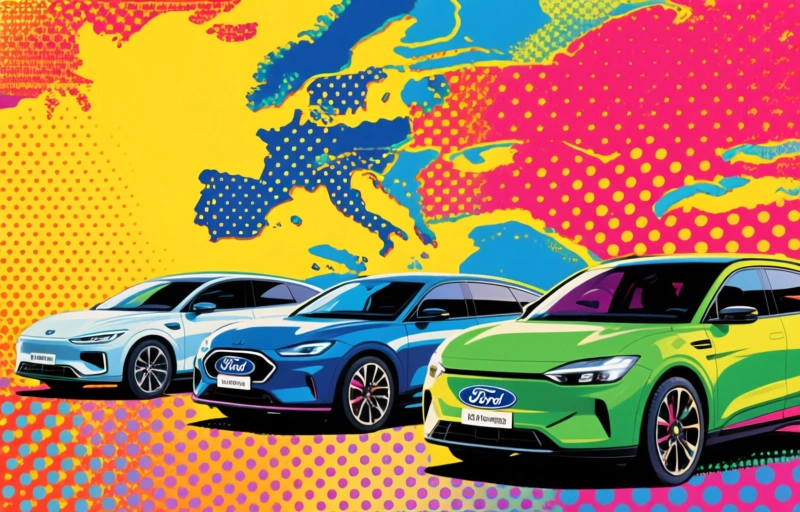
Ford is betting big on a 'multi-energy' future in Europe, rolling out new models that include hybrids, plug-in hybrids, and EVs. This strategy could reshape their global lineup.
Ford is making a bold move in Europe. The automaker just announced a major push into what it calls a "multi-energy" future, rolling out a blitz of new models that run on everything from gasoline to electric power. This isn't just another press release—it's a signal that Ford sees a diverse powertrain strategy as the only way to win in a fragmented market.
For years, the industry has been obsessed with an all-or-nothing electric vehicle (EV) future. But Ford is taking a different path. They're betting that customers want options: hybrids, plug-in hybrids, and battery-electric vehicles all on the same showroom floor. It's a pragmatic approach that acknowledges not everyone is ready to go fully electric just yet.
### Why Multi-Energy Makes Sense
Let's be real: the transition to EVs is messy. Charging infrastructure is still spotty in many parts of Europe, and battery costs remain high. By offering a range of powertrains, Ford is hedging its bets. They can serve customers who want to dip their toes into electrification with a plug-in hybrid, while also going after early adopters with full EVs.
This strategy also helps Ford comply with tightening emissions regulations without alienating buyers who aren't ready to give up gasoline. It's a balancing act, but one that could pay off big if executed well.
### What the New Model Lineup Looks Like
Ford hasn't released full details yet, but here's what we know so far:
- **A new compact SUV** will be available as a hybrid and plug-in hybrid, targeting urban commuters.
- **An updated version of the Ford Puma** will get a hybrid option, improving fuel economy without sacrificing performance.
- **The next-generation Ford Focus** is rumored to include a full EV variant, though Ford hasn't confirmed.
- **Commercial vehicles** like the Transit will get plug-in hybrid options, helping businesses reduce their carbon footprint.
All of these models are designed to fit into Ford's European lineup, which has been shrinking in recent years as the company focuses on profitability over volume.
### The Bigger Picture: Ford's European Pivot
This isn't just about new cars. It's about Ford repositioning itself in Europe. The company has struggled to compete with European brands like Volkswagen and Stellantis, especially in the small car segment. By investing in multi-energy models, Ford is trying to carve out a niche as the flexible, customer-first automaker.
"We're not forcing anyone into a specific technology," said a Ford spokesperson. "We want to give our customers the choice to pick what works best for their lifestyle and budget."
That kind of thinking resonates with buyers who feel overwhelmed by the EV hype. It's also smart business: a diverse lineup can weather market shifts better than a one-trick pony.
### What This Means for American Readers
You might be thinking: "I live in the US, why should I care?" Well, Ford's European strategy often previews what's coming to America. The company has already announced a similar multi-energy approach for its US lineup, including the new Ford Explorer and the upcoming electric pickup. If the European model blitz succeeds, you can bet Ford will bring those lessons across the Atlantic.
Plus, the technology developed for Europe—like more efficient hybrids and plug-in systems—could trickle down to US models. So keep an eye on this story. It might tell us a lot about where Ford is headed globally.
### The Bottom Line
Ford's multi-energy bet is refreshingly honest. Instead of pretending that the EV transition will happen overnight, they're acknowledging the messy reality. Customers want options, and Ford is delivering them. Whether this strategy pays off remains to be seen, but it's a welcome change from the all-or-nothing thinking that's dominated the industry.
As Ford rolls out these new models over the next year, we'll be watching closely. The European market is a tough proving ground, but if Ford can crack it, they'll have a blueprint for success worldwide.