The EU's new trade tools against China might protect industries but could backfire for startups. Learn how carbon taxes and tariffs impact your business and what to do next.
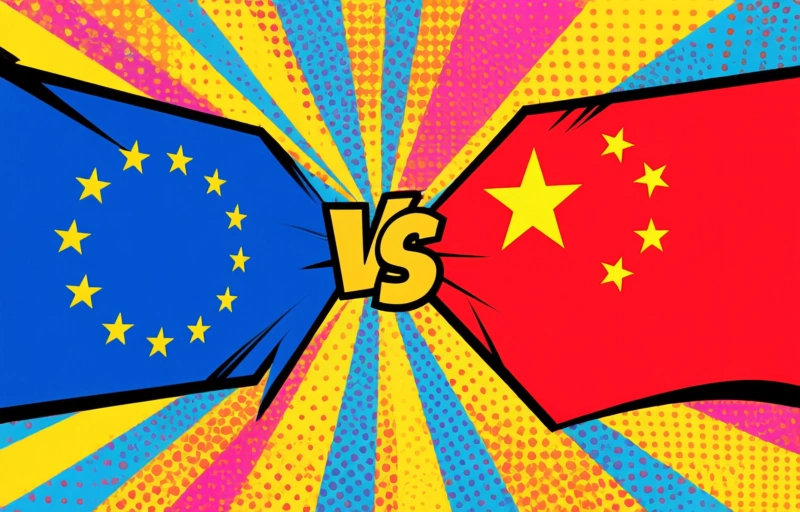
The European Union is facing a tough balancing act with China. On one hand, it needs to protect its industries from unfair trade practices. On the other, the tools it's building to solve this problem might actually make things worse. Let's break down what's happening and why it matters for startups and businesses in the EU.
### The Core Problem: EU vs. China Trade
China has become a massive player in global trade, and the EU is feeling the heat. From steel to solar panels, Chinese goods are flooding European markets at prices that local companies can't match. The EU argues that this isn't just competition—it's often subsidized by the Chinese government, giving them an unfair edge. So, the EU is creating new tools to level the playing field.
But here's the catch: these tools, like carbon border adjustments and anti-subsidy tariffs, could backfire. They might raise costs for European consumers and hurt small businesses that rely on imported materials. It's a classic case of unintended consequences.
### What Are the EU's New Tools?
The EU is rolling out several measures:
- **Carbon Border Adjustment Mechanism (CBAM)**: This taxes imports based on their carbon footprint. The idea is to prevent "carbon leakage" where companies move production to countries with lax environmental rules.
- **Anti-Subsidy Tariffs**: These target goods that benefit from Chinese government support. Think electric vehicles and green tech.
- **Foreign Subsidies Regulation**: This aims to stop non-EU companies from using subsidies to buy European firms unfairly.
These tools sound good on paper, but they're complex and could slow down trade. For startups that depend on global supply chains, that's a headache.
### How This Impacts Startups
If you're running a startup in the EU, you're probably wondering: what does this mean for me? Here's the reality:
- **Higher Costs**: Import taxes and compliance checks can drive up prices for raw materials and components.
- **Regulatory Burden**: New rules mean more paperwork and legal fees. That's tough for small teams with limited resources.
- **Opportunity**: On the flip side, local manufacturers might get a boost if imports become pricier. If you're making something in the EU, you could see more demand.
But let's be honest: most startups aren't thrilled about more red tape. They want speed and simplicity, not another form to fill out.
### A Quote to Consider
"The EU's approach is like trying to fix a leaky pipe with a sledgehammer—it might stop the leak, but it'll also break the wall." That's how one trade analyst put it, and it captures the tension perfectly.
### What Should You Do?
For now, stay informed. Watch how these policies evolve, especially if you import or export goods. Consider diversifying your supply chain to reduce reliance on China. And talk to a trade lawyer if you're unsure about compliance.
The EU's trade problem isn't going away, but with smart planning, your business can adapt. Just don't expect a quick fix—this is a long game.