Eurozone Business Surges as Manufacturing Rebounds in February
Jan de Vries ·
Listen to this article~4 min
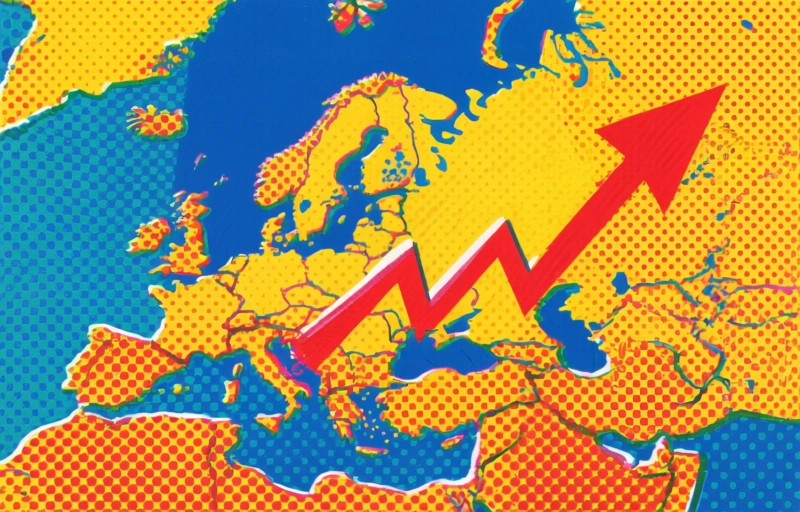
Eurozone business activity exceeded forecasts in February, powered by a surprising rebound in the manufacturing sector according to latest PMI data, signaling unexpected economic resilience.
Hey there. So, you know how we've been hearing about economic uncertainty for what feels like forever? Well, here's some genuinely good news that might just change the conversation. Recent data is showing something pretty significant: businesses across the Eurozone are performing better than anyone predicted for February. And the real story? Manufacturing is leading the charge with a noticeable bounce back.
It's the kind of shift that makes you sit up and take notice. For professionals looking at the European market, whether for expansion, investment, or partnership, this isn't just a statistic. It's a signal. A signal that the economic landscape might be more resilient than we gave it credit for.
### What the PMI Data Is Telling Us
The Purchasing Managers' Index (PMI) is like the business world's vital signs monitor. It doesn't just measure output; it gauges the health and sentiment of company leaders. When this index climbs, it means business managers are feeling more confident. They're ordering more materials, planning for more production, and generally betting on a brighter future.
That's exactly what happened in February. The numbers came in above expectations, which is a big deal. Think of it like a patient showing stronger vital signs than the doctors forecasted. It suggests the underlying system has more strength in reserve.
### Why the Manufacturing Rebound Matters So Much
Manufacturing is often called the backbone of an economy for a reason. When factories are humming, it creates a ripple effect that touches everything:
- It means more jobs on production lines and in logistics.
- It increases demand for raw materials and components from other businesses.
- It points to stronger consumer and business demand for finished goods.
This rebound isn't happening in a vacuum. It follows a period of significant challenges—supply chain snarls, energy price spikes, you name it. Seeing manufacturing pick up pace suggests companies are adapting, finding new solutions, and pushing forward.
### What This Means for Business Professionals
If you're operating in or with the Eurozone, this data is more than a headline. It's a context shift. A stronger manufacturing sector can mean more stable supply chains, new partnership opportunities, and potentially a more robust market for your products or services.
It's also a reminder that economic forecasts are just that—forecasts. The real economy, driven by countless business decisions every day, can often surprise us. As one analyst recently put it, 'The resilience of European industry is being underestimated. There's a fundamental adaptability here that data sometimes misses until it shows up in the numbers.'
Of course, it's wise to temper optimism with realism. One month of positive data is a trend to watch, not a guarantee of smooth sailing ahead. Global pressures haven't vanished. But here's the takeaway: the direction is positive. The momentum, for now, is upward.
For anyone making plans, this is a data point that deserves a place at the table. It suggests that the European business environment may be turning a corner, offering a firmer foundation for growth than we saw just a few months ago. And in today's world, that's news worth paying attention to.