Europe's Energy Shift: Clean Power Gains Urgency
Jan de Vries ·
Listen to this article~5 min
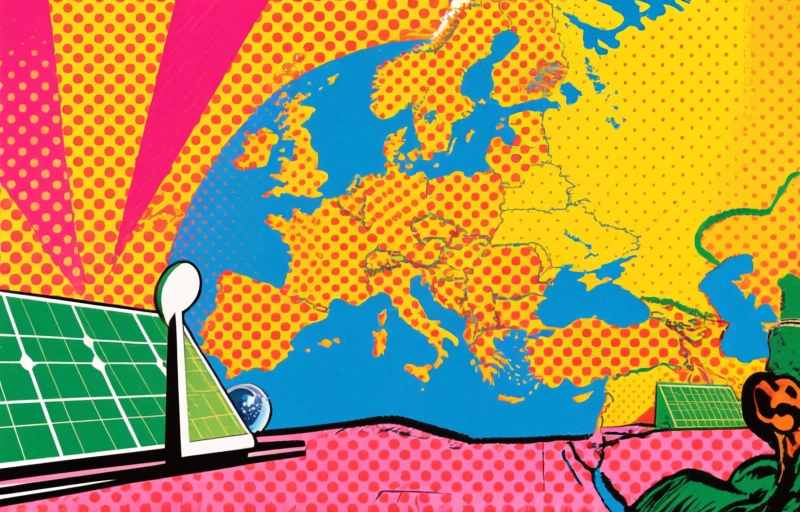
Middle East tensions expose Europe's fossil fuel vulnerability, driving a shift toward flexible clean energy investments that promise resilience and economic stability.
The energy landscape in Europe is shifting faster than most people realize. Geopolitical tensions, especially in the Middle East, have laid bare a harsh truth: relying on fossil fuels from unstable regions is a gamble that's getting too expensive. But here's the upside—this wake-up call is actually accelerating the move toward clean energy, and it's not just about solar panels and wind turbines. It's about flexibility, smart investments, and a more resilient future.
Think of it like this: for years, Europe was hooked on cheap oil and gas from faraway places, like a person addicted to sugary snacks. Now, with supply chains getting shaky and prices bouncing all over the place, the continent is realizing it needs to build its own energy sources—ones that don't depend on who's in power halfway across the world. And the best part is, this isn't just about survival; it's an opportunity to innovate.
### Why Flexibility Matters More Than Ever
The old model of energy was simple: build a massive power plant, run it 24/7, and hope nothing goes wrong. But that's like having a single, giant water tank for your whole house—if it springs a leak, you're in trouble. Today's clean energy systems are more like a network of smaller tanks, each filling up when the sun shines or the wind blows. This flexibility means we can adapt quickly to changes without crashing the grid.
Consider this: Europe is now investing heavily in battery storage, smart grids, and demand-response systems. These technologies let us store excess energy from sunny days and use it when the weather turns cloudy. It's a game-changer because it reduces the need for costly backup plants that burn gas. In fact, recent reports show that flexible clean energy strategies could cut Europe's fossil fuel imports by nearly 30% within the next decade.

### The Role of Geopolitical Tensions
It's no secret that conflicts in the Middle East have sent energy prices soaring. When tensions flare, oil and gas prices spike, hitting consumers and businesses hard. But here's the twist: this instability is actually pushing governments and companies to act faster on clean energy. They're realizing that every dollar spent on renewables is a dollar that doesn't go to volatile foreign markets.
- **Example:** Germany's recent push to expand offshore wind farms was partly driven by the need to reduce reliance on Russian gas after the Ukraine crisis.
- **Another angle:** France is ramping up nuclear power, which provides steady, low-carbon electricity without depending on imports.

### What This Means for Clean Energy Investment
Investors are catching on too. Instead of pouring money into traditional oil and gas, they're looking at flexible assets like solar farms with battery storage, or companies that specialize in energy efficiency. The logic is simple: these investments are less risky because they're not tied to geopolitics. You can't bomb the sun or block the wind.
> "The energy transition isn't just about saving the planet anymore; it's about securing economic stability. The smart money is on flexible, renewable systems that can weather any storm."
This shift is creating new opportunities for businesses and homeowners alike. For instance, installing solar panels on your roof isn't just good for the environment—it's a hedge against rising electricity bills. And with incentives like tax credits and net metering, the payback period is getting shorter every year.
### Looking Ahead: A Resilient Energy Future
The path forward is clear: Europe needs to double down on clean energy, but with a focus on flexibility. That means investing in diverse sources—solar, wind, hydro, and even advanced geothermal—alongside storage and smart management tools. The goal isn't to replace fossil fuels overnight, but to build a system that can adapt to shocks, whether they're political, economic, or environmental.
So, what's the takeaway for you? If you're in the energy business or just someone who cares about your utility bills, keep an eye on these trends. The companies that embrace flexibility now will be the ones leading the pack in a decade. And for everyday people, supporting clean energy isn't just a moral choice—it's a practical one that protects your wallet and your way of life.
This is a pivotal moment. The tensions in the Middle East have exposed a vulnerability, but they've also sparked a revolution in how we think about power. And that's something worth getting excited about.