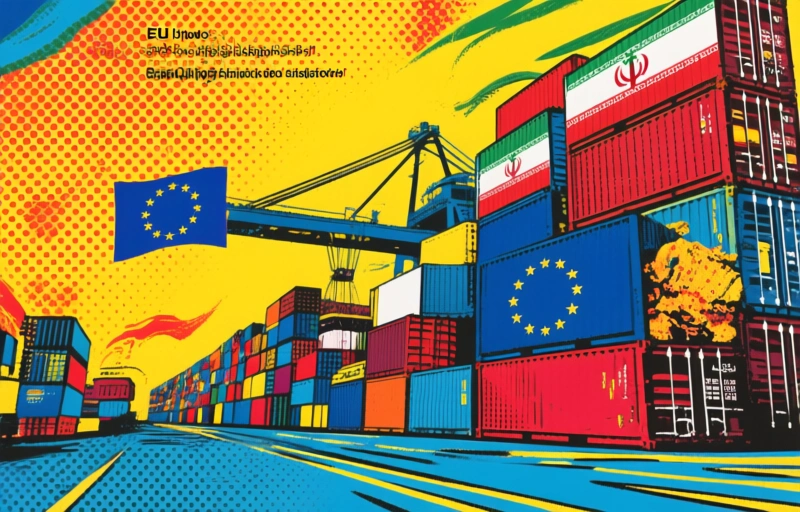
Iran war disrupts shipping routes, boosting profits for European logistics firms. Freight costs rise, delays mount. Learn how this chaos impacts e-commerce and what you can do to adapt.
### The Ripple Effect of Global Tensions
It's no secret that global conflicts shake up supply chains. But the recent Iran war has sent shockwaves through the European logistics sector. Shipping routes are in disarray, and companies are scrambling to adapt.
You might be wondering how this impacts you. Well, if you're in e-commerce or logistics, you've probably already felt the pinch. Freight costs are climbing, and delivery times are stretching.
### Why Profits Are Skyrocketing
Here's the twist: while chaos reigns, some European logistics firms are seeing record profits. How? It comes down to supply and demand.
- **Higher freight rates**: With key shipping lanes disrupted, carriers are charging premium prices.
- **Increased demand for alternative routes**: Companies are paying top dollar for faster, safer paths.
- **Stockpiling and inventory hoarding**: Businesses are buying up goods ahead of potential shortages, driving up shipping volume.
It's a strange paradox. Uncertainty is bad for the global economy, but for logistics providers with flexible networks, it's a gold rush.
### What This Means for Your Business
If you're running an e-commerce operation, you're probably feeling the heat. Shipping costs have jumped by as much as 20% in some corridors. And delays? They're becoming the new normal.
But here's the thing: smart logistics planning can help you weather this storm. Consider diversifying your carriers, negotiating longer-term contracts, and building in buffer times for deliveries.
> "In times of chaos, the companies that adapt fastest win. It's not about avoiding disruption—it's about outmaneuvering it."
### The Human Cost of Shipping Chaos
Let's not forget the human side. Port workers, truck drivers, and warehouse staff are under immense pressure. Longer hours, tighter deadlines, and constant rerouting take a toll.
And for consumers? They're seeing higher prices and longer waits. It's a reminder that global logistics isn't just about moving boxes—it's about moving lives.
### Looking Ahead: Is There a Silver Lining?
Some analysts believe this crisis could accelerate innovation in logistics. Think more automation, better route optimization software, and stronger regional supply chains.
For now, though, the focus is on survival. European logistics firms are cashing in, but the long-term picture remains uncertain. One thing's for sure: the shipping chaos isn't ending anytime soon.
If you're in this space, stay nimble. Keep an eye on fuel costs, geopolitical shifts, and emerging trade routes. And remember: in logistics, the only constant is change.