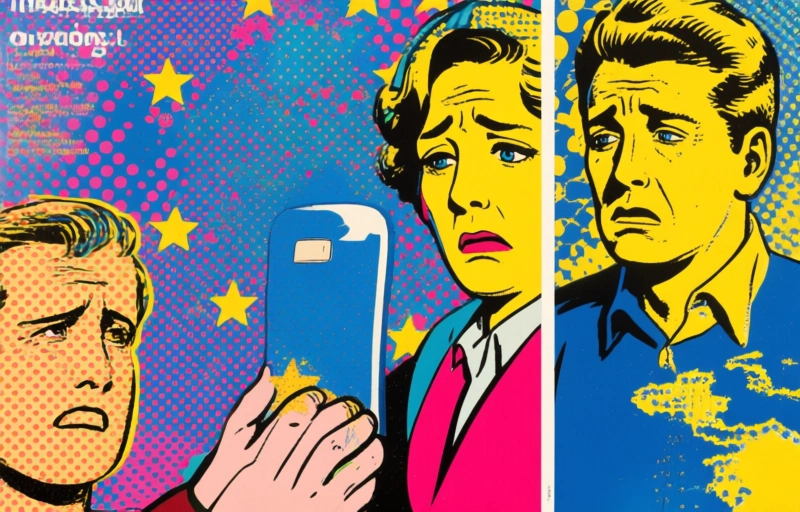
European Consumers Worry Political Tensions May Block Payments
Jan de Vries ·
Listen to this article~4 min
European consumers are worried that rising political tensions could restrict their access to payment systems. This fear is driven by sanctions, geopolitical instability, and centralized control of financial infrastructure.
European consumers are growing increasingly anxious that rising political tensions across the globe could eventually restrict how they make payments. It's a concern that's been bubbling under the surface for a while now, and recent headlines are bringing it front and center.
People are starting to wonder if the systems they rely on every day could become pawns in larger geopolitical games. And honestly, it's not a crazy thought. When you look at how quickly financial sanctions can be imposed, the worry starts to feel a lot more real.
### What's Driving This Fear?
The core of the issue is the growing link between international politics and the financial infrastructure that handles our money. Think about it: payment networks, banking systems, and even digital wallets all operate under a set of rules that can change overnight.
Recent conflicts and trade disputes have shown that governments are willing to use financial tools as leverage. This has made consumers pay closer attention to who controls the pipes their money flows through. It's no longer just about convenience or fees; it's about reliability and access.
Here are a few key factors fueling this unease:
- **Sanctions and Restrictions:** We've seen entire countries cut off from major payment networks. If it can happen to a nation, could it eventually trickle down to affect individual transactions?
- **Geopolitical Instability:** Shifting alliances and rising tensions make the future feel unpredictable. Consumers want to know their ability to pay isn't tied to a fragile political situation.
- **Centralized Control:** Most of the world's payment systems are controlled by a small number of entities. This concentration of power creates a single point of failure, both technically and politically.
### The Real Impact on Everyday Life
This isn't just some abstract worry for bankers or investors. It's about the mom in Paris trying to pay for her groceries, or the freelancer in Berlin receiving a payment from a client in another country. If tensions escalate, could those simple transactions suddenly become impossible?
The fear is that political decisions could override personal financial freedom. You might be a law-abiding citizen, but if your country gets caught up in a larger dispute, your access to global payment systems could be at risk. That's a scary thought, and it's driving people to look for alternatives.
### What Can Consumers Do?
Feeling uneasy is one thing, but what can you actually do about it? The most practical step is to diversify how you hold and move money. Relying entirely on a single bank or payment app might not be the safest bet in an unpredictable world.
> "The best way to protect yourself from uncertainty is to not have all your eggs in one basket, especially when that basket is tied to political currents you can't control."
This means exploring options like decentralized payment methods, holding multiple currencies, or using services that aren't as tightly tied to a single political system. It's about building a little bit of resilience into your financial life.
### Looking Ahead
The conversation around political tensions and payment restrictions isn't going away. As the world becomes more interconnected, the lines between finance and politics will only blur further. For consumers, staying informed and being proactive is the best defense.
It's not about panicking. It's about understanding the risks and making small, smart moves to keep your financial life running smoothly, no matter what the headlines look like. The key takeaway? Don't take your payment systems for granted. A little awareness now can save a lot of headaches later.