EU's New Plan to Build Fire-Resistant Landscapes
Jan de Vries ·
Listen to this article~4 min
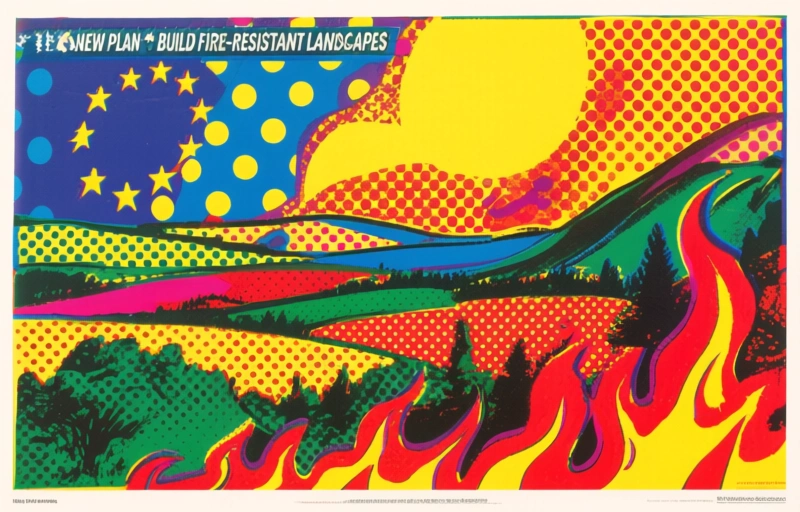
After a devastating 2025 wildfire season, the EU is launching a major initiative to reshape forests and fields, creating fire-resilient landscapes designed to slow and contain future blazes.
Let's talk about something that's been on my mind a lot lately—how we're trying to outsmart wildfires. You know, after that brutal 2025 fire season that broke all the records, something had to give. Europe's been feeling the heat, literally, and now they're rolling up their sleeves with a pretty ambitious plan. It's not just about fighting fires when they start anymore. The real shift is toward making the land itself less likely to burn in the first place. They're calling it building fire-resilient landscapes, and honestly, it's about time we started thinking this way.
Think of it like this: instead of just having a fire extinguisher in the kitchen, you're redesigning the whole house so a spark has nowhere to catch. That's the core idea here. It's proactive, not reactive. The EU is looking at the entire continent's forests, fields, and wildlands as one interconnected system. The goal? To reshape and manage these areas so that when a fire does start, it doesn't have the fuel or the pathways to turn into an unstoppable monster.
### What Does 'Fire-Resilient' Actually Mean?
Good question. It's a bit of jargon, but the concept is straightforward. A fire-resilient landscape can withstand a fire event without catastrophic damage and recover more quickly afterward. It's about creating natural firebreaks and managing vegetation so fires stay low-intensity and on the ground, rather than leaping into the treetops and becoming unstoppable crown fires. This involves some pretty hands-on landscape management.
- **Strategic Fuel Breaks:** Creating wide corridors—think several hundred feet—where flammable vegetation is removed or replaced with less flammable species. These act as barriers to slow a fire's advance.
- **Promoting Biodiversity:** Moving away from vast monoculture forests (which burn like a single sheet of paper) and encouraging mixed-species forests. Different trees and plants have different moisture levels and burn rates, which can disrupt a fire's path.
- **Managed Grazing:** Using animals like goats or sheep to naturally keep grasses and underbrush in check, reducing the amount of ready fuel on the forest floor.
It's a holistic approach. We're not just clearing trees; we're thoughtfully redesigning how these ecosystems function.
### The Hard Lessons from 2025
That 2025 season was a real wake-up call. Millions of acres burned across Southern Europe. The financial cost ran into the tens of billions of dollars. But the human and ecological cost? That's immeasurable. Communities were displaced, wildlife habitats were obliterated, and the air quality issues affected millions of people hundreds of miles away from the actual flames. One fire expert put it bluntly: "We can't just keep responding to emergencies. We have to prevent the conditions that create them."
That statement really hits home. It shifted the entire conversation from suppression to prevention. The EU's strategy acknowledges that climate change is making fire seasons longer and more intense. So, we have to adapt our land to this new reality. It's about working with nature, not just battling against it when things go wrong.
### The Road Ahead and the Challenges
This isn't a quick fix. Transforming landscapes on a continental scale is a decades-long project. It requires sustained funding, cross-border cooperation between EU member states, and buy-in from local communities, farmers, and forest owners. There are tough questions about land use, property rights, and balancing ecological health with economic needs.
But the alternative—more seasons like 2025—is simply unacceptable. The plan represents a fundamental change in philosophy. It's an admission that the old ways aren't enough anymore. By investing in the land itself, Europe is hoping to create a safer, more stable environment for everyone. It's a big, complex puzzle, but piece by piece, they're starting to put it together. And honestly, it's a strategy the whole world should be watching closely.