EU-Mercosur Deal Opens Doors for US Businesses in Europe
Jan de Vries ·
Listen to this article~5 min
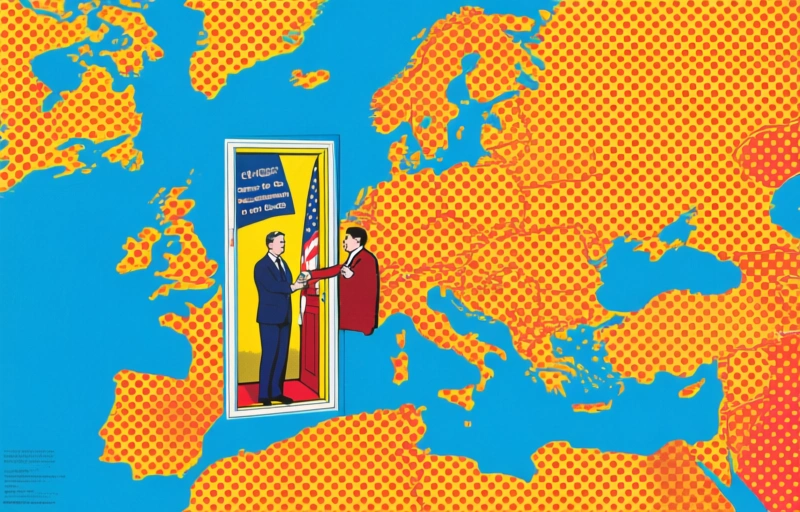
The provisional application of the EU-Mercosur trade deal allows businesses to access benefits now. For US professionals, this strengthens the case for using an EU company as a gateway to multiple markets.
Okay, let's talk about something that's been brewing for years but is finally getting real traction. You know how sometimes you wait for a big opportunity, and it feels like it's never going to happen? That's been the EU-Mercosur trade deal for a lot of folks. But here's the thing—provisional application is now on the table. That's a fancy way of saying European businesses can start accessing some of those long-awaited benefits *now*, even before every last detail is signed in permanent ink.
For US professionals looking at the European market, this is a signal. It means the landscape is shifting, and new avenues for partnership and expansion are opening up. Think of it like a door that was stuck finally getting a good shove. It's not fully open yet, but there's enough space to start moving things through.
### What This Provisional Application Really Means
In simple terms, it's a 'start now, finalize later' approach. The core parts of the agreement that everyone has already agreed on can be implemented. This isn't about skipping steps; it's about getting the economic engine running while the final legal polish is applied. For businesses, that translates to reduced tariffs and clearer rules of origin sooner rather than later. It cuts through the red tape that's been holding things up.
This move is particularly significant for sectors like automotive, agriculture, and manufacturing. It creates a more predictable trading environment between the European Union and the Mercosur bloc—that's Argentina, Brazil, Paraguay, and Uruguay. Predictability is gold for planning your next move.
### Why US Professionals Should Pay Attention
You might be thinking, 'This is a deal between Europe and South America, what's it got to do with me?' Fair question. Here's the connection: if you're helping clients or your own company establish a presence in the EU, this changes the value proposition. A European company can now be a more powerful hub for accessing not just the EU's single market, but also these key South American markets under improved terms.
Setting up an EU company isn't just about selling to Germans or the French anymore. It's increasingly about positioning yourself as a gateway. The provisional application of this deal makes that gateway more functional and financially attractive. It adds another strong reason to consider that strategic foothold.
### Key Areas Where Benefits Will Be Felt First
Let's get specific. Where will businesses see changes? Based on the framework, here are some of the immediate areas of impact:
- **Tariff Reductions:** A huge chunk of tariffs on EU exports to Mercosur are set to be eliminated. This makes European-made goods more competitive on price.
- **Easier Regulations:** Streamlined customs procedures and mutual recognition of standards mean less hassle at the border. Goods move faster.
- **Service Sector Access:** It opens up markets for services, which is a big deal for consulting, tech, and financial firms based in Europe.
- **Government Procurement:** European companies get better access to public tenders in Mercosur countries.
As one trade analyst recently put it, 'This isn't just a policy shift; it's the unlocking of tangible commercial opportunities that have been theoretical for far too long.'
### Navigating the New Landscape
So, what's the practical takeaway? If you're advising on or considering EU company formation, this development should be part of your calculus. The 'why' for establishing in Europe just got a bit stronger. It's about more than a single market; it's about connected, preferential access to multiple major economies.
The process isn't without its complexities, of course. National ratifications are still pending, and certain sensitive sectors will have longer phase-in periods. But the direction is clear. The provisional application is the starting gun. The race to establish and leverage a European base for transatlantic and South American trade is officially heating up. The long wait is yielding to action, and the businesses that understand this new reality stand to gain the most.