EU and India Forge Stronger Trade Amid Global Shifts
William Williams ·
Listen to this article~3 min
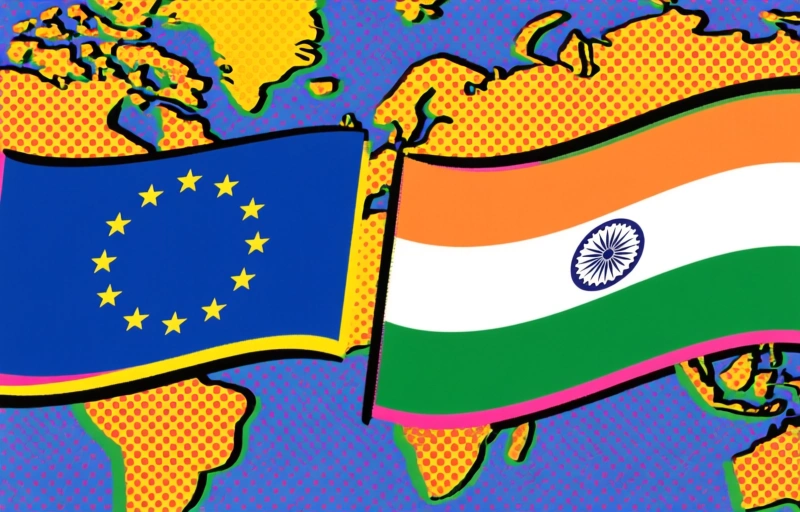
While global attention focuses elsewhere, the European Union and India are quietly strengthening their economic partnership through comprehensive trade negotiations that could reshape business relationships for decades.
You know how sometimes the biggest moves happen when everyone's looking the other way? That's exactly what's happening right now between the European Union and India. While political headlines grab attention elsewhere, these two economic giants are quietly building something substantial. It's a partnership that could reshape trade flows for years to come.
Let's be honest—global trade feels pretty shaky these days. Old alliances are being questioned, and new tensions pop up almost weekly. In that environment, seeing the EU and India double down on their economic relationship is genuinely refreshing. They're not just talking; they're actually making progress where it counts.
### Why This Partnership Matters Now
Timing is everything, right? With global supply chains still recovering from recent shocks, both Europe and India recognize they need more reliable partners. The EU wants to diversify its trade beyond traditional heavyweights, and India is eager to boost its manufacturing and tech exports. It's a classic case of mutual need meeting mutual opportunity.
Think about it this way: Europe brings advanced technology and investment capital to the table. India offers a massive consumer market and growing manufacturing capabilities. Together, they can create something stronger than what either could build alone. The negotiations cover everything from digital trade to sustainable goods—topics that really matter for future-proof economies.
### The Real-World Impact
So what does this mean for businesses on the ground? Plenty. European companies gain better access to one of the world's fastest-growing major economies. Indian exporters get smoother entry into the EU's sophisticated market. But here's what often gets missed—this isn't just about tariffs and quotas.
They're working on:
- Streamlining customs procedures (less paperwork, anyone?)
- Aligning technical standards (so products don't need redesigning for each market)
- Creating frameworks for digital services (crucial for today's economy)
- Promoting sustainable trade practices (because green business is good business)
These behind-the-scenes improvements might not make flashy headlines, but they're what actually makes trade work smoothly. As one trade negotiator recently noted, 'The real magic happens in the technical annexes, not the press releases.'
### Looking Beyond the Headlines
It's tempting to view every trade deal through the lens of global politics. Sure, shifting dynamics elsewhere have accelerated these talks. But here's the thing—this partnership stands on its own merits. The EU and India have been trading partners for decades, and this represents a natural evolution of that relationship.
What's different now is the ambition level. They're not just tweaking an existing agreement; they're building a comprehensive framework fit for the 21st century. That includes tackling modern challenges like data flows, intellectual property protection, and sustainable development.
The bottom line? While the world watches other dramas unfold, two of its major economies are getting down to business. They're building bridges—literally and figuratively—that could support trade flows long after today's headlines fade. For businesses operating in either region, that's news worth paying attention to.