EU Halts US Trade Deal Approval: What It Means for Business
William Williams ·
Listen to this article~5 min
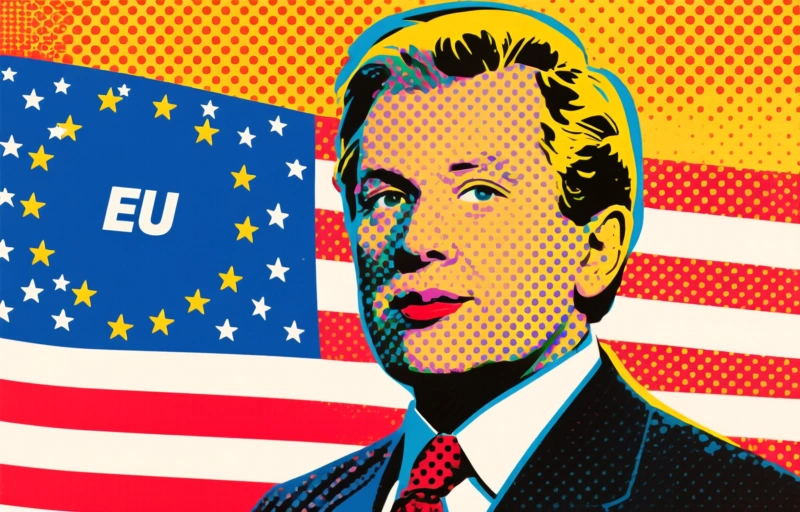
The EU's decision to suspend approval of a major US trade deal creates immediate uncertainty for European businesses. We break down the implications for supply chains, regulations, and strategic planning in this evolving situation.
Well, here we are again. Just when it seemed like transatlantic trade relations were smoothing out, the European Union has pressed pause on approving a major trade deal with the United States. It's a move that's got boardrooms across Europe buzzing with questions. What's behind this decision? And more importantly, what does it mean for your business operations, supply chains, and bottom line?
Let's break it down together, like we're sitting across from each other with our morning coffee. This isn't just political noise—it's a real-world development with tangible consequences for European companies, from multinationals to SMEs trying to navigate an already complex global market.
### The Decision That's Shaking Up Trade Talks
The suspension isn't a full stop, mind you. It's more like a dramatic pause in negotiations. European officials have essentially said, "We need to take a step back and reassess." The reasons are multifaceted, but they generally boil down to lingering concerns that haven't been adequately addressed at the negotiating table.
Think of it like this: you're about to sign a major partnership agreement. You've been talking for months, but a few critical clauses still don't sit right. Do you sign anyway and hope for the best? Or do you call a timeout to get those points clarified? The EU has chosen the latter path, signaling that the current terms aren't quite ready for prime time.
### Why This Matters for European Businesses
You might be wondering why this should matter to you if you're not directly involved in international trade. The truth is, these high-level agreements create the economic weather we all operate in. They set the rules for tariffs, product standards, data flows, and investment protections. A suspended deal creates uncertainty, and as any business leader knows, markets hate uncertainty.
Here's what you should be watching for in the coming weeks:
- **Supply chain disruptions**: Companies relying on seamless US-EU logistics may face renewed friction.
- **Regulatory divergence**: Without harmonized standards, compliance costs could increase for exporters.
- **Investment hesitation**: Major cross-border projects might be put on hold until the path forward is clearer.
- **Competitive positioning**: Asian and other global competitors could gain ground if transatlantic trade stalls.
One Brussels-based trade lawyer I spoke with put it bluntly: "When political processes slow down, business decisions get delayed. It's that simple."
### Reading Between the Lines of the Suspension
This isn't happening in a vacuum. Look at the broader context—geopolitical tensions, differing approaches to tech regulation, and domestic political pressures on both sides of the Atlantic. The suspension serves as a pressure valve, allowing negotiators to address these underlying issues without the clock ticking loudly in the background.
What's really interesting is what happens next. Does this pause lead to a better, more balanced agreement? Or does it become a prolonged stalemate that hurts economic growth? The answer depends on whether both sides can find common ground on the sticking points that caused this hiccup in the first place.
### Practical Steps for Business Leaders
So what should you do while the diplomats figure this out? Don't just sit and wait. This is the time for proactive scenario planning. Review your exposure to US-EU trade flows. Talk to your legal team about contingency plans. And most importantly, keep communicating with your transatlantic partners—they're likely just as concerned about the implications.
Remember, trade deals are marathon negotiations, not sprints. There will be setbacks and pauses. The key is to understand the rhythm of these discussions and position your business accordingly. Stay informed, stay flexible, and don't make any rash decisions based on today's headlines alone.
The bottom line? This suspension is a significant development, but it's not the end of the story. It's a chapter in the ongoing saga of transatlantic economic relations. How that chapter ends will shape the business landscape for years to come. Keep your eyes on the negotiators, but keep your focus on building a resilient business that can thrive regardless of the political winds.