EU-China Relations Timeline After 2024 European Elections
Jan de Vries ·
Listen to this article~4 min
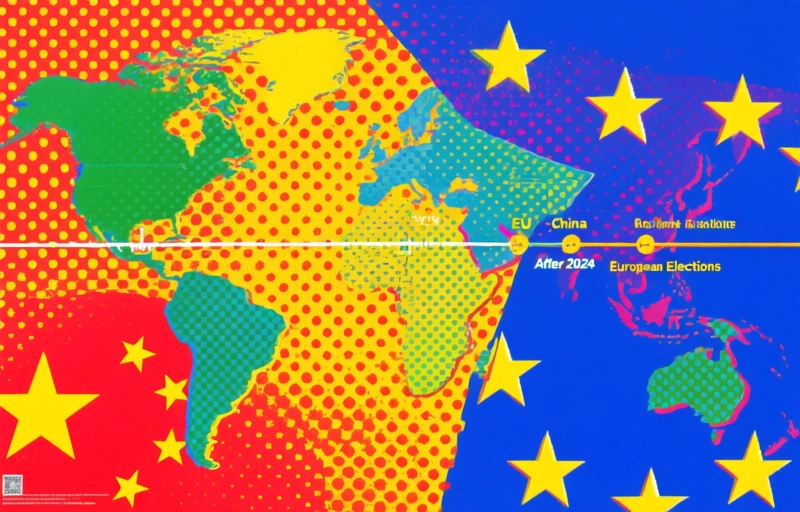
Explore how the 2024 European elections are reshaping EU-China relations. This timeline analysis covers trade, policy shifts, and what businesses need to know about the evolving transcontinental relationship.
Let's talk about what's happening across the Atlantic. The 2024 European elections have come and gone, and now everyone's watching to see how this will reshape Europe's relationship with China. It's a big deal for businesses, investors, and anyone with interests in either market.
You're probably wondering what changes are coming. Will trade policies shift? What about investment rules or diplomatic approaches? The truth is, we're looking at a complex dance between two economic giants, and the new European Parliament will be leading the steps.
### The Immediate Aftermath
Right after the elections, there's typically a period of assessment. New members take their seats, committees form, and priorities get established. For EU-China relations, this means existing policies continue while the new political landscape settles. Think of it like a ship changing captains mid-voyage—the course holds steady while the new leadership gets familiar with the controls.
Businesses operating between these markets should pay attention to several key areas:
- Trade agreements and tariff structures
- Investment screening mechanisms
- Technology transfer regulations
- Environmental and labor standards alignment
### Key Policy Areas to Watch
The relationship isn't just about economics, though that's a huge part. There are geopolitical considerations, human rights discussions, and climate cooperation all mixed together. It's like trying to solve multiple puzzles simultaneously, and the European elections just shuffled some of the pieces.
What makes this particularly interesting is how different European countries approach China. Some member states prioritize trade above all else, while others focus more on security concerns or values-based diplomacy. The new parliament will need to balance these perspectives, which is no small task.
As one trade analyst recently noted, "The EU-China relationship is neither purely cooperative nor purely competitive—it's both, simultaneously, across different sectors."
### What This Means for Businesses
If you're doing business between Europe and China, here's what you should keep in mind. First, don't expect sudden, dramatic changes. Policy shifts in the EU tend to be gradual, with lots of discussion and compromise along the way. That's both good and bad—it means stability but also uncertainty about long-term direction.
Second, pay attention to sector-specific developments. Technology, green energy, and manufacturing will likely see different approaches than agriculture or services. The EU's "de-risking" strategy means some areas will get more scrutiny while others remain relatively open.
Finally, remember that national governments still have significant say. Even with new European leadership, Germany's approach to China differs from France's, which differs from Poland's. The elections change the Brussels dynamic, but they don't erase national interests.
### Looking Ahead
Over the next year, we'll see how campaign promises translate into actual policy. Will the new parliament push for tougher stance on human rights? Will trade negotiations speed up or slow down? How will climate cooperation evolve given both sides' commitments?
These questions matter because they affect real businesses and real people. Supply chains, investment decisions, research partnerships—all of these hang in the balance. The timeline of EU-China relations isn't just political theater; it's the backdrop against which companies make million-dollar decisions every day.
The bottom line? Stay informed but don't panic. Watch for committee appointments in the European Parliament, listen to early policy statements, and track how different political groups position themselves. The relationship is evolving, not exploding, and that gives businesses time to adapt.