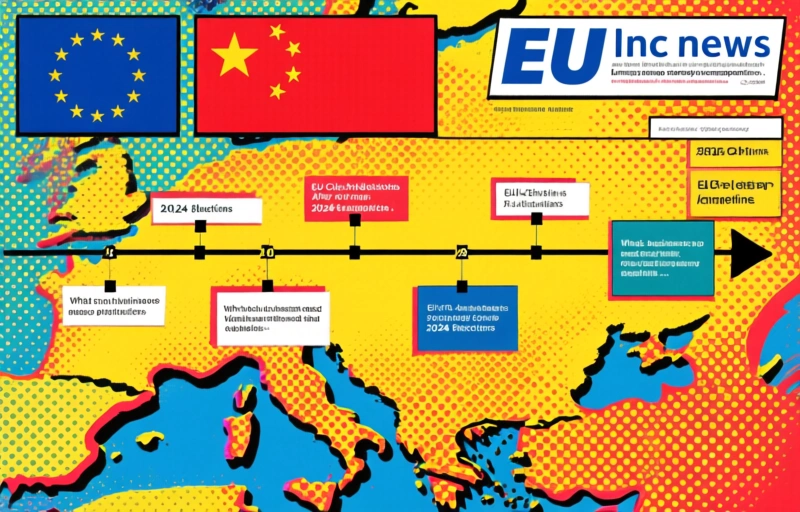
EU-China Relations After 2024 Elections: Key Timeline
Jan de Vries ·
Listen to this article~3 min
A clear timeline of EU-China relations after the 2024 European elections. Key dates, policy shifts, and what businesses need to know about trade, tariffs, and tech competition.
The 2024 European elections have already started reshaping the global landscape. One of the most watched dynamics right now is how EU-China relations will evolve in the months ahead. It's a complex dance, and if you're keeping an eye on trade, tech, or geopolitics, this timeline matters more than ever.
### What Changed After the Elections?
The European Parliament shifted to the right. That changes the tone on trade and investment. Policymakers are now more cautious about Chinese investments in critical infrastructure. They're also pushing harder for reciprocity in market access.
But don't expect a sudden break. Europe still needs Chinese markets for its luxury goods, cars, and machinery. And China still needs European technology and know-how. So it's a balancing act, not a full freeze.
### Key Milestones to Watch
Here are the major dates and decisions that will define EU-China relations in 2024 and beyond:
- **July 2024**: New European Parliament committees start work. The trade committee will revisit anti-subsidy rules affecting Chinese EVs.
- **September 2024**: EU-China summit expected. Both sides will try to reset the dialogue on climate and trade.
- **Late 2024**: Potential tariffs on Chinese electric vehicles. The EU investigation is ongoing, with a decision likely by November.
- **2025**: New EU Commission takes office. Its China strategy could be more assertive, especially on technology transfers.
### What This Means for Businesses
If you're importing from China or exporting to Europe, you need to prepare for more friction. Customs checks are getting stricter. New reporting requirements for critical minerals are coming. And the rules around data flows are tightening.
One thing is clear: the era of easy market access is over. Companies now need dedicated compliance teams or external consultants to navigate these shifts. The cost of getting it wrong? That could mean fines, delays, or lost contracts.
### A Personal Take
I've worked with dozens of startups trying to enter the European market. The most successful ones don't just focus on the product. They invest early in understanding political risk. They build relationships with local partners who can interpret the regulatory noise.
> "The smartest founders I know treat geopolitics like any other business risk. They monitor it, hedge against it, and adapt fast when it changes."
That advice is more relevant today than ever.
### Looking Ahead
The 2024 elections were a turning point, not an endpoint. EU-China relations will continue to evolve, shaped by trade disputes, tech competition, and climate goals. The key is to stay informed and stay flexible.
Follow this timeline. Watch the summits. And if you're building a cross-border business, make sure your legal and compliance frameworks are ready for what's coming next.