EU Business Leaders Considered Retaliation Over Tariff 'Blackmail'
William Williams ·
Listen to this article~4 min
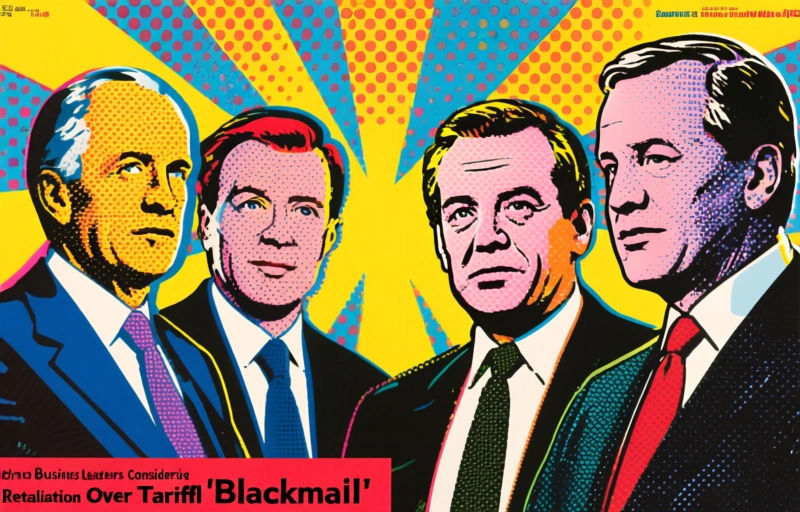
While immediate tariff tensions have eased, the threat prompted serious discussions among European business leaders about retaliatory countermeasures, with many describing the pressure tactics as economic 'blackmail.'
So, the immediate heat over those proposed tariffs has died down a bit. We can all breathe a little easier, right? Well, maybe not completely. Because the whole episode left a pretty sour taste in the mouths of European business leaders. The threat was real enough that serious conversations happened behind closed doors. And the word that kept coming up? 'Blackmail.'
It's a strong word, I know. But that's how some of the top executives and industry heads across the continent were describing the situation. The feeling was that the threat of tariffs was being used as a blunt instrument, a way to force policy changes rather than engage in genuine negotiation.
### The Mood in European Boardrooms
Let me tell you, the mood wasn't great. You had CEOs and trade association heads on the phone with each other, with government officials, and with their legal teams. The question wasn't just about absorbing costs. It was about principle. If you give in to pressure tactics once, what does that signal for the future? It sets a dangerous precedent. The discussions quickly moved beyond simple compliance to active countermeasures.
There was real talk of retaliatory actions. Not as a first resort, but as a necessary defense. The thinking was clear: Europe cannot appear weak or easily coerced. Its economic sovereignty and the rules-based trading system it champions were seen as being on the line. This wasn't just business as usual; it felt like a test of resolve.
### What Retaliation Could Have Looked Like
So, what were they talking about? The options were varied, but they all shared a common goal: making the cost of using tariffs as a political tool unacceptably high.
- **Targeted Sectoral Tariffs:** Imposing duties on key exports from the other side. The aim is to create political pressure back home by affecting influential industries.
- **WTO Challenges:** Accelerating formal disputes through the World Trade Organization. It's a longer game, but it upholds the international rulebook.
- **Strategic Diversification:** A longer-term play. Actively accelerating plans to reduce dependency on a single market for critical supplies or sales. This reshapes supply chains for decades.
As one unnamed executive put it, *"Sometimes you have to stand up to the schoolyard bully, or they'll keep coming back for your lunch money."* The sentiment was widespread. The desire for a strong, unified European response was palpable, even if cooler heads ultimately prevailed for now.
### The Lasting Impact of the Threat
Here's the thing that sticks with you. The tension may have cooled, but the memory of the threat hasn't faded. It's altered the strategic calculus for European businesses. Trust, once eroded, is hard to rebuild. Many companies are now factoring in higher political risk into their long-term planning.
Investments might be redirected. Partnerships might be reconsidered. The goal is to build more resilience, more redundancy into their operations. So, while the headlines have moved on, the boardroom conversations have permanently shifted. The episode served as a stark wake-up call about the fragility of global trade norms.
In the end, the fact that retaliation was seriously discussed tells you everything. European business leaders felt backed into a corner. They saw the threat as illegitimate—as blackmail. And while they chose de-escalation this time, they've made it clear they won't be pushed around indefinitely. The playbook for a response is now written, even if it's filed away for now. The next time a similar threat emerges, the reaction might not be so measured.