EU Approves US Trade Deal with Key Safeguards
Jan de Vries ·
Listen to this article~4 min
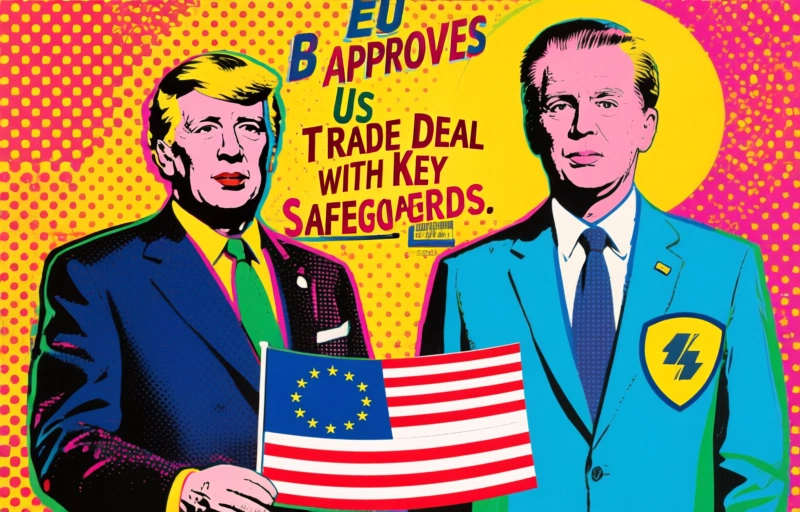
EU lawmakers have approved a major trade agreement with the United States, but included important safeguards to protect European standards and markets. The deal reduces barriers while maintaining key protections.
So, here's the latest from across the pond. EU lawmakers just gave the green light to a major trade agreement with the United States. But they didn't just rubber-stamp it. They added some pretty significant safeguards along the way.
It's a classic case of "yes, but..." that defines so much of international diplomacy. The deal aims to boost transatlantic commerce, which is huge news for businesses on both sides. Yet European officials made sure to build in protections for their own markets and standards.
### What's Actually in This Deal?
Let's break it down simply. The core agreement focuses on reducing tariffs and smoothing out regulatory differences. Think about all those products that get shipped back and forth every day - from machinery to pharmaceuticals. This deal aims to make that flow easier and cheaper.
But here's where it gets interesting. The safeguards address concerns about:
- Protecting European agricultural standards
- Maintaining environmental regulations
- Ensuring fair competition rules
- Preserving consumer protection measures
It's like saying "we want to trade more, but not at the cost of our principles." And honestly, that's a pretty reasonable position.
### Why These Safeguards Matter
You might wonder why they bothered adding all these conditions. Well, trade deals can sometimes feel like a one-way street. The stronger economy often sets the terms. These safeguards are Europe's way of making sure their voice gets heard too.
Remember that old saying about the devil being in the details? That's especially true with international agreements. The broad strokes might look great on paper, but it's the specific protections that determine who actually benefits.
As one trade analyst put it recently: "Modern trade agreements aren't just about lowering barriers. They're about managing integration while protecting what makes each economy unique."
### What This Means for US Businesses
If you're running a company that deals with Europe, this is worth paying attention to. The reduced barriers could mean new opportunities. But those safeguards mean you'll need to understand European regulations better than ever.
Think about it this way - it's like getting invited to a party, but you need to follow the house rules. The invitation is more open, but the expectations are clearer.
Here's what smart businesses should be doing right now:
- Review how these changes might affect your supply chains
- Understand which European standards now have extra protection
- Look for new market opportunities that the deal might create
- Prepare for potential shifts in competitive dynamics
### The Bigger Picture
This isn't just about tariffs and regulations. It's about two of the world's largest economies figuring out how to work together in an increasingly complex global landscape. The safeguards show that Europe wants cooperation, but on terms that respect their priorities.
What's fascinating is watching how these negotiations evolve. It's not just governments talking to governments anymore. Consumer groups, environmental organizations, and industry associations all have seats at the table now.
That makes the process messier, but arguably more democratic. And in the long run, that might lead to deals that actually work better for everyone involved.
### Looking Ahead
So where do we go from here? The deal still needs final implementation, and that's where things often get tricky. But the fact that it passed with these safeguards suggests both sides are serious about making it work.
For American businesses, the message is clear: Europe remains a crucial market, but it's one with its own rules and expectations. The door is opening wider, but you still need to know how to walk through it properly.
The real test will come in the coming months as companies start operating under these new rules. Will the safeguards prove too restrictive? Or will they create the stability needed for long-term growth?
Only time will tell. But for now, it's a significant step forward in transatlantic relations - with just enough caution to keep things interesting.