EU Approves US Trade Deal with Key Safeguards
Jan de Vries ·
Listen to this article~4 min
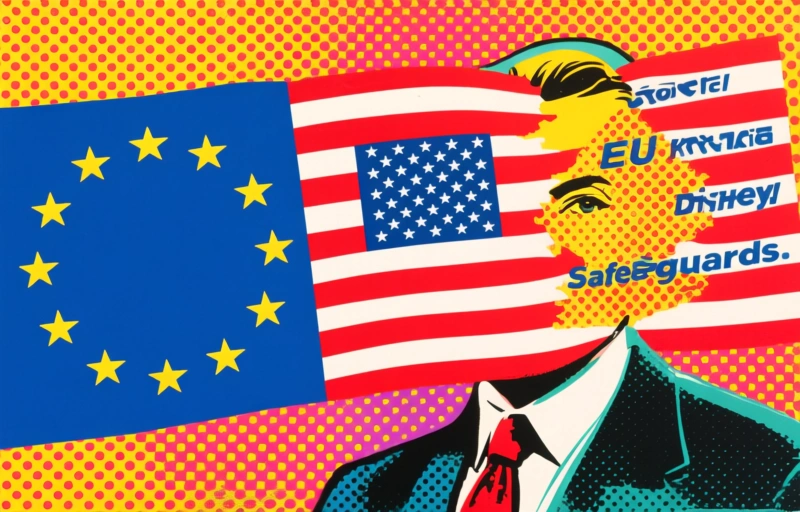
EU lawmakers have approved a new trade deal with the United States, incorporating key safeguards to protect standards and ensure stability. This creates a more predictable environment for US professionals looking to form companies in the European market.
So, here's what just happened across the pond. EU lawmakers gave the green light to a major trade deal with the United States. But they didn't just rubber-stamp it. They added some pretty significant safeguards into the mix.
Think of it like buying a house. You agree on the price, you love the neighborhood, but you still want a thorough inspection. That's essentially what the European Parliament just did. They approved the framework but made sure there were protections built right into the foundation.
This isn't just bureaucratic paperwork. For professionals in the US looking at European markets, this news matters. A lot. It signals a more stable, predictable trading environment. But it also means there are new rules to understand.
### What's Actually in This Deal?
The core of the agreement focuses on reducing tariffs and smoothing out regulatory hurdles. It's designed to make it easier for goods and services to flow between the two economic giants. We're talking about everything from agricultural products to digital services.
But here's the crucial part—the safeguards. These aren't minor footnotes. They're substantial clauses meant to protect key industries and standards on both sides. The EU was particularly keen on ensuring their environmental and labor standards weren't undermined.
For American businesses, this means you can plan your European expansion with more confidence. The goalposts aren't going to move unexpectedly. The deal creates a clearer playing field, which is exactly what investors and company formation specialists need.
### Why These Safeguards Matter for US Professionals
You might wonder why the safeguards are such a big deal. Well, they directly impact how you structure a business in the EU. The deal isn't a free-for-all. It's a structured agreement with guardrails.
- **Predictability:** The rules are now more transparent. You won't face sudden tariff hikes or regulatory surprises if the political winds shift.
- **Standards Alignment:** While not fully harmonized, there's a mutual recognition process for certain product standards, which can simplify compliance.
- **Dispute Resolution:** A new mechanism is in place. If there's a disagreement on how the deal is applied, there's a clear path to resolve it without sparking a trade war.
As one trade analyst recently put it, "This isn't about throwing doors wide open. It's about installing better hinges and locks so they operate smoothly and securely for everyone."
That's a powerful metaphor. It's about creating reliable access, not unchecked access. For a US consultant helping a client set up a GmbH in Germany or an SARL in France, that reliability is priceless. You're not selling them on a maybe; you're building on a more solid foundation.
### The Practical Impact on Company Formation
Let's get down to brass tacks. What does this mean for the day-to-day work of forming an EU company from the US? First, it reduces one layer of macroeconomic risk. Political uncertainty is a cost, and this deal lowers that cost a bit.
Second, it clarifies the long-term vision. The EU and US are committing to a trading relationship with specific rules. That commitment allows for longer-term business planning. You're not just setting up a shell company for a quick project; you're potentially building a lasting European presence.
Finally, it streamlines certain processes. While local incorporation laws in Italy, Spain, or the Netherlands haven't changed, the overarching trade framework is smoother. Customs procedures should be more efficient, and certifying products for both markets could become less duplicative.
In the end, this news is a positive step. It shows that despite differences, the transatlantic partnership is moving forward with a dose of pragmatism. The safeguards ensure the deal is sustainable, and that sustainability is what gives US businesses the confidence to invest seriously in Europe. It turns a headline into a tangible opportunity.