EIB's €100bn Plan to Fuel European Growth
William Williams ·
Listen to this article~4 min
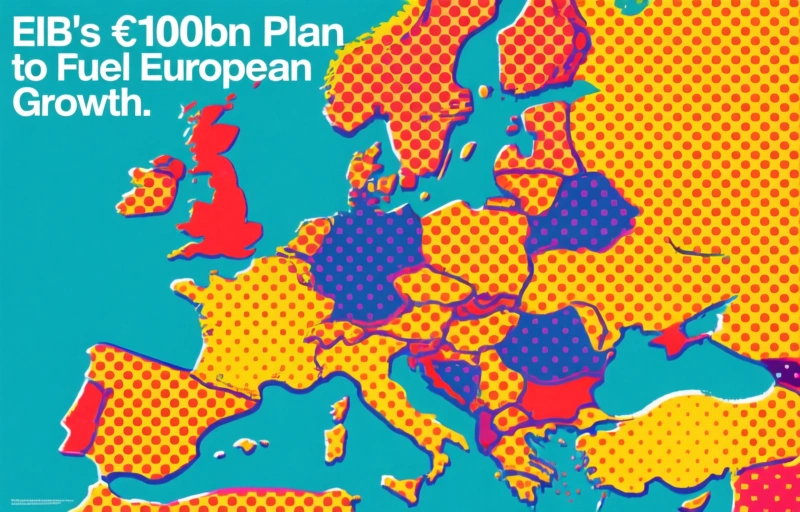
The EIB Group's new €100 billion investment plan targets green, digital, and innovation projects to strengthen Europe's economic resilience and global competitiveness. Here's what it means for business.
Let's talk about something big happening in Europe right now. The European Investment Bank Group just unveiled a massive €100 billion investment plan. That's not just a number on a page—it's a serious commitment to shaping the continent's economic future. If you're in European business, this is the kind of news that changes the game. It's about building resilience, sparking innovation, and frankly, making sure Europe doesn't just keep up but leads.
We all know the challenges. Global competition is fierce, the green transition needs funding, and strategic autonomy isn't just a buzzword anymore. This plan feels like a direct answer to those pressures. It's the EIB saying, "We're putting our money where our mouth is." And for business leaders, that means new opportunities are on the horizon.
### Where Is The Money Actually Going?
So, a hundred billion euros is a lot. Where's it all headed? The focus isn't scattered. The EIB is targeting specific areas where Europe needs a boost. Think of it as strategic capital injection. The goal is to unlock private investment too, creating a multiplier effect that could see the total impact reach into the trillions. That's the real ambition here.
First up, the green and digital transitions. This isn't surprising, but the scale is. We're talking about financing for clean tech, energy infrastructure, and digital connectivity. It's about building the backbone of a modern, sustainable economy. Then there's innovation. Funding for cutting-edge research and helping scale-ups become the European champions of tomorrow. It's an investment in our own homegrown talent and ideas.
Finally, there's a strong emphasis on cohesion. This means ensuring all regions benefit, not just the usual economic powerhouses. It's about balanced growth and making sure the economic pie gets bigger for everyone. Here’s a quick breakdown of the key pillars:
- **Green Transition:** Financing renewable energy, energy efficiency, and sustainable transport.
- **Digitalization:** Boosting connectivity, AI, and cybersecurity infrastructure.
- **Innovation & Competitiveness:** Supporting R&D and helping SMEs scale.
- **Social & Regional Cohesion:** Investing in healthcare, education, and less-developed regions.
### What This Means For European Businesses
For professionals reading this, the question is: what's in it for us? This plan signals a more supportive financial environment for projects that align wit
h European priorities. If your company is working on something green, digital, or innovative, the path to funding might just have gotten clearer. It reduces risk and makes ambitious projects more viable.
It also creates a clearer roadmap. The EIB's focus areas tell us where the continent is heading. Smart businesses will align their strategies accordingly. As one analyst recently put it, "This isn't just stimulus; it's a strategic blueprint for European economic sovereignty." That's a powerful idea. It’s about taking control of our economic destiny.
Of course, the proof will be in the execution. How quickly can these funds be deployed? Will the bureaucracy slow things down? These are valid concerns. But the intent and the scale are undeniable. This plan has the potential to be a catalyst, crowding in private investment and accelerating projects that have been stuck on the drawing board.
In the end, this €100 billion is more than capital. It's a statement of confidence in Europe's future. For business leaders, it's a call to action to think bigger, to invest in the transitions that define our era, and to be part of building a more resilient and competitive continent. The table is set. The question now is who will step up to seize the opportunities.