Dunlop Brand Returns to Europe Through SRI Partnership
Jan de Vries ·
Listen to this article~4 min
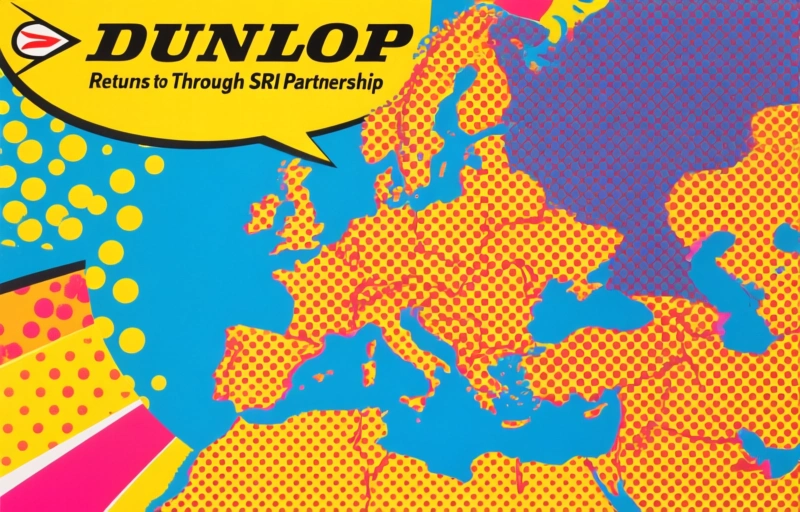
Sumitomo Rubber Industries strategically adopts the iconic Dunlop name for its European operations, offering valuable insights about brand equity and market entry strategies for business professionals.
So here's something interesting that's happening in the business world right now. You know Dunlop, right? That iconic tire brand with all that racing heritage? Well, it's making a strategic comeback in Europe, and it's not through the path you might expect.
Sumitomo Rubber Industries, or SRI for short, is the company behind this move. They've decided to adopt the Dunlop name specifically for their European operations. It's a branding shift that speaks volumes about market strategy and legacy value.
### Why This Branding Move Matters
Think about it. In business, especially when you're looking at company formation or expansion, your brand is everything. It's your identity. For SRI, leveraging the Dunlop name isn't just slapping a new logo on products. It's about tapping into decades of brand recognition and trust that Dunlop has built with European consumers.
That's a powerful asset. When you're forming a company or entering a new market, starting with established goodwill is like having a head start in a marathon. You're not building from zero.

### The Strategic Angle for Business Professionals
Let's break this down from a consultant's perspective. SRI isn't just changing a name. They're making a calculated decision about market positioning. Europe has specific consumer preferences, regulatory environments, and competitive landscapes.
By aligning their European business with the Dunlop brand, they're likely aiming for:
- Instant market recognition
- Association with quality and heritage
- A clearer differentiation from competitors
- Streamlined marketing messaging
It reminds me of a conversation I had with a client last month. They were debating whether to create a completely new brand for their EU expansion or leverage an existing name they owned. The Dunlop situation is a perfect case study in choosing the latter path when the brand equity is strong enough.
### What This Means for Market Dynamics
This move will ripple through the European tire industry. Competitors will need to reassess their positioning. Distributors and retailers will have new conversations with customers. And most importantly, consumers will see a familiar name returning with what's presumably updated technology and products from SRI.
From a purely business formation standpoint, here's what stands out:
- Brand licensing and usage agreements must be complex
- Regulatory compliance across multiple European countries
- Supply chain and manufacturing considerations
- Marketing and rebranding costs
One industry insider I spoke with recently put it this way: "In Europe, brand heritage isn't just marketing—it's currency. People remember which brands their fathers trusted, which ones won races, which ones lasted. That memory has tangible value."
### Key Takeaways for Your Business Strategy
If you're considering European expansion or company formation, here are some practical considerations this Dunlop situation highlights:
- **Brand Assessment**: Is your existing brand strong enough in your target market? If not, what would it take to build that strength?
- **Market Research**: Understand not just demographics but brand perceptions. What do European consumers in your sector actually value?
- **Legal Structure**: Navigating EU business formation requires careful planning around branding, trademarks, and corporate structure.
- **Timing**: Market entry timing matters. SRI is making this move now for reasons that likely include market conditions, competitive gaps, and internal readiness.
At the end of the day, this isn't just a tire company story. It's a lesson in strategic branding and market entry. Whether you're forming a company in Germany, expanding to France, or just watching market trends, there's wisdom here about leveraging assets you already have versus building everything from scratch.
Sometimes the most strategic move isn't creating something new—it's reviving something trusted. And in the complex landscape of European business formation, that trust can be worth more than any marketing budget.