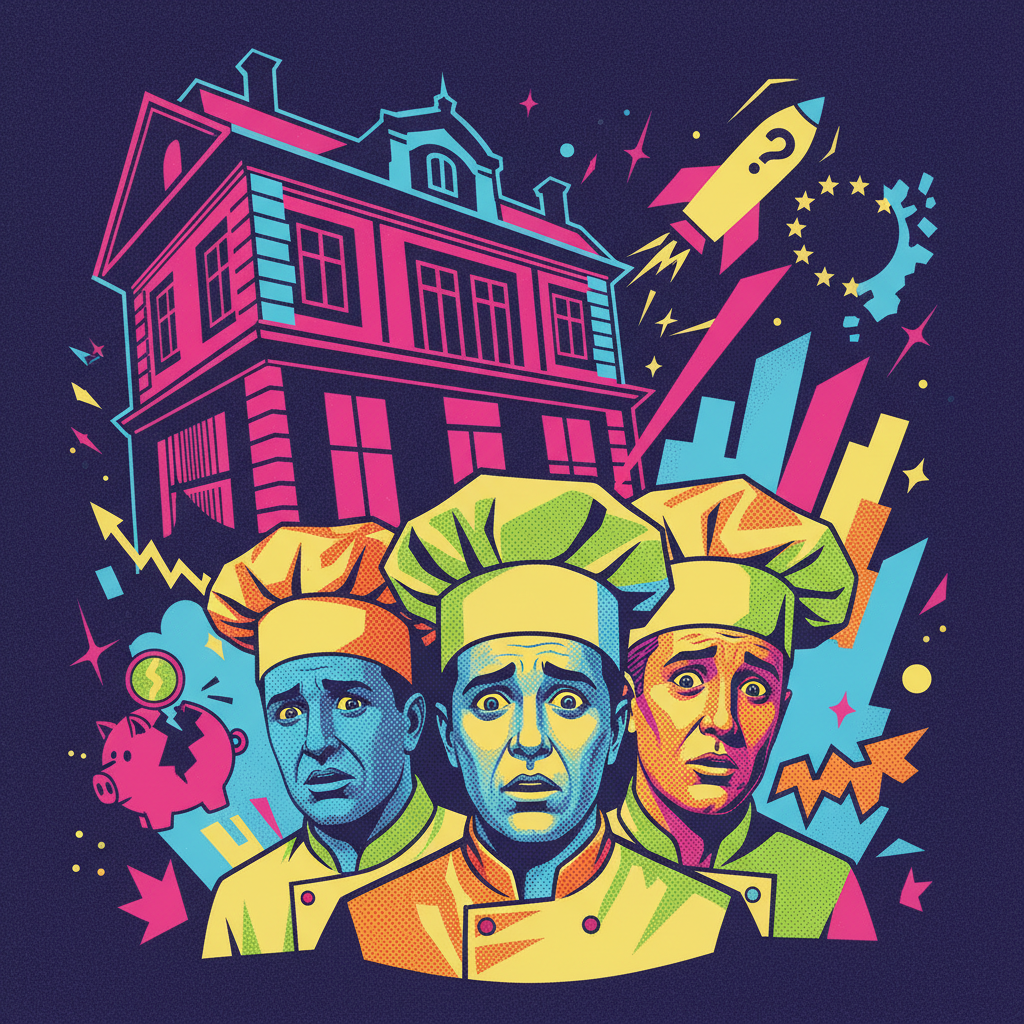
Top British chefs warn restaurants are closing at a rate of three per day as higher costs and weaker spending put pressure on the industry. This crisis is reshaping the culinary landscape and threatening jobs across the UK.
The hospitality industry in the United Kingdom is in the midst of a dire crisis. Top British chefs are sounding the alarm, warning that restaurants are fighting for survival as closures hit a staggering three per day. This isn't just a headline; it's a reality reshaping the culinary landscape across the nation.
Higher costs and weaker consumer spending are squeezing margins to the breaking point. Energy bills alone have skyrocketed, with some restaurants seeing monthly costs jump from $2,000 to over $10,000. That's a 500% increase in just a few years. Food prices haven't helped either. Staples like olive oil, butter, and beef have surged by 20-30%, forcing chefs to either raise menu prices or absorb the hit. Most can't do either without losing customers.
### The human cost behind the numbers
These aren't faceless statistics. Every closure represents a dream deferred—a chef who spent years perfecting their craft, a team of servers and cooks who depended on those paychecks, and a community that lost a gathering place. The British Restaurant Association estimates that over 2,000 establishments have shut their doors since 2023. That's roughly one every eight hours.
Chefs like Tom Kerridge and Angela Hartnett have spoken publicly about the emotional toll. Kerridge noted that many operators are running on fumes, working 80-hour weeks just to keep the lights on. Hartnett pointed out that the government's support during the pandemic was a lifeline, but the recovery has been uneven. "We're not out of the woods yet," she said. "In fact, for many, the woods are getting darker."
### Why is this happening now?
Several factors are converging to create this perfect storm:
- **Inflation:** The UK's inflation rate peaked at 11.1% in 2022, and while it's come down, food and energy inflation remain high. This erodes both restaurant profit margins and diners' disposable income.
- **Labor shortages:** Brexit and the pandemic led to a mass exodus of EU workers. The hospitality sector now faces a 10-15% vacancy rate, meaning restaurants can't find enough cooks, servers, or dishwashers. This forces them to reduce hours or close sections of their dining rooms.
- **Tax burden:** The UK government increased the VAT rate for hospitality from 12.5% back to 20% in April 2024. This added $15,000 to $30,000 in annual costs for an average restaurant, according to industry estimates.
- **Changing habits:** Diners are eating out less frequently and spending less when they do. The average check size has dropped by 5-8% as consumers prioritize essentials over dining experiences.
### What can be done?
The situation isn't hopeless, but it requires action. Industry advocates are calling for:
- A temporary reduction in VAT to 12.5% for at least two years.
- Government subsidies for energy costs, similar to those offered during the pandemic.
- A streamlined visa process for hospitality workers from non-EU countries.
- More aggressive marketing campaigns to encourage domestic tourism and dining out.
Some restaurants are adapting by pivoting to fast-casual models, offering takeaway-only menus, or hosting private events. Others are collaborating with local farms to reduce supply chain costs. But these are band-aids on a wound that needs surgery.
### The bigger picture
This crisis isn't just about restaurants. It's about the cultural fabric of Britain. Pubs, cafes, and fine-dining spots are integral to communities. They're where people celebrate milestones, have first dates, and mourn losses. Losing them means losing a piece of our shared identity.
If you're a diner, the best thing you can do is support local establishments. Order that extra dessert. Leave a generous tip. And if you see a place you love struggling, spread the word. Because once a restaurant closes, it rarely reopens.
For now, the message from the front lines is clear: British hospitality is in survival mode. And it needs all of us to help keep the flame alive.