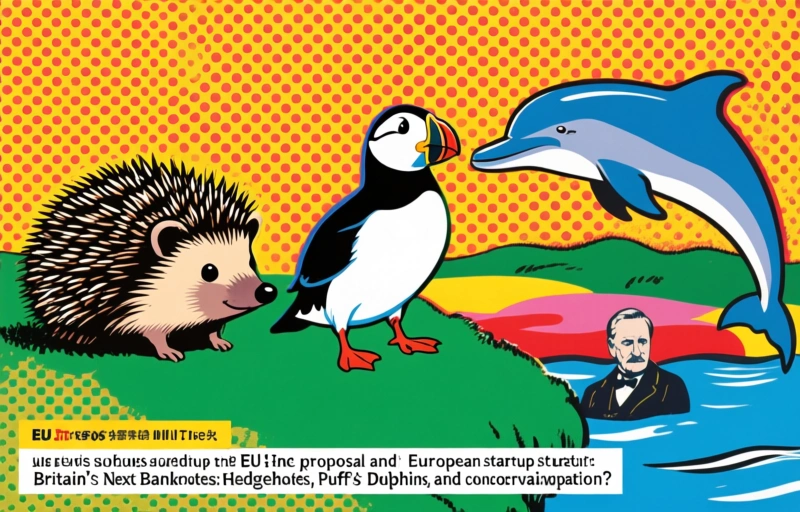
Britain's banknotes could soon feature hedgehogs, puffins, and dolphins instead of historical icons like Churchill and Turing. Explore the proposal and its implications for conservation.
You might soon need to check your wallet to see a hedgehog, puffin, or dolphin staring back at you. Britain is considering a major shake-up for its banknotes, moving away from historical figures to showcase the nation's wildlife. This isn't just a quirky idea—it's a real proposal that could redefine how the country represents itself on its currency.
### Why Wildlife Over Historical Icons?
The current lineup features giants like Winston Churchill, Jane Austen, J.M.W. Turner, and Alan Turing. These figures have dominated British banknotes for years, celebrating cultural and scientific achievements. But the new shortlist suggests a shift toward conservation and environmental awareness. The Bank of England is reportedly exploring options that highlight endangered or iconic species, aiming to spark conversations about biodiversity.
- Hedgehogs: A beloved garden creature, but their numbers are declining fast.
- Puffins: Colorful seabirds that symbolize coastal ecosystems.
- Dolphins: Intelligent marine mammals often associated with freedom and playfulness.
This change reflects growing public interest in nature protection. It's a smart move, because it connects daily life—like spending cash—to broader environmental issues.
### How Would This Work in Practice?
Designing a banknote is no small task. Each note must include security features, be durable, and represent the country's identity. If wildlife images replace portraits, you'd still see familiar elements like the Queen's silhouette (or King Charles III's) and intricate patterns. The animals would likely appear on the reverse side, with detailed illustrations that highlight their natural habitats.
For example, a puffin note might show cliffs and ocean waves, while a dolphin note could feature underwater scenes. This approach could make the currency more visually appealing and educational. Imagine kids learning about puffins just by handling money.
### What Does This Mean for Collectors?
Banknote collectors are already buzzing. Wildlife-themed notes often become highly sought after, especially if they're limited editions. If Britain goes ahead, you might see prices spike for early releases. But there's a catch—the transition period. Old notes would coexist with new ones for years, so you won't need to rush to swap your Churchill for a hedgehog.
### The Bigger Picture: A Global Trend?
Britain isn't alone in this. Countries like Canada and Australia have featured animals on currency for decades. The Canadian loonie (a loon bird) and Australian kangaroo notes are iconic. By joining this trend, Britain would align with a global movement that emphasizes nature over human figures. It's a subtle but powerful statement about priorities.
### Potential Challenges
Some critics argue that wildlife notes might lack the gravitas of historical figures. How do you explain a hedgehog's significance compared to Turing's code-breaking work? The answer lies in storytelling. The Bank of England could pair each animal with a conservation message, like "Protecting our native species." This educates the public without losing the note's purpose.
Another issue is practicality. Animals don't have the same recognition as famous people. Would tourists know a puffin represents Britain? Probably not, but that's okay—the goal is domestic engagement, not international branding.
### What's Next?
The shortlist is just the first step. Public consultations and design competitions could follow. Expect debates in Parliament and media coverage. If approved, new notes might appear within a few years. Until then, keep an eye on your wallet—you might be holding a piece of history before it changes.
So, could hedgehogs, puffins, and dolphins replace Churchill, Austen, Turner, and Turing? It's possible. And honestly, it might be a refreshing change that reminds us of the natural world we often overlook.