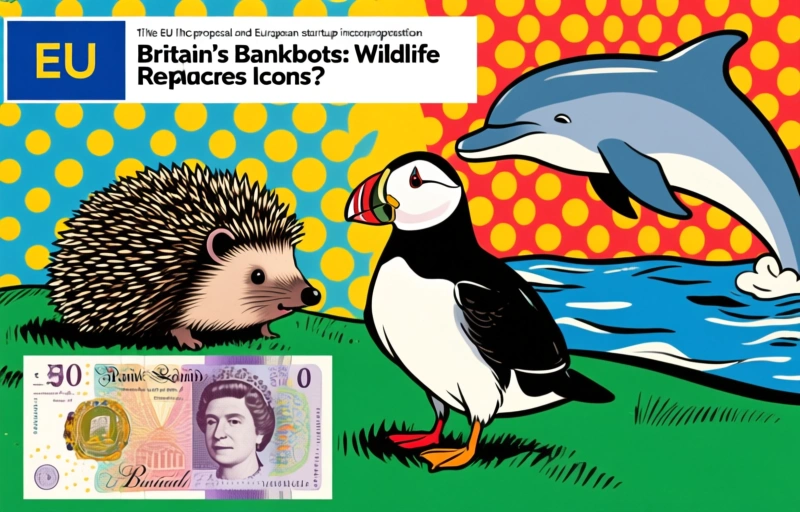
Britain's banknotes may soon feature hedgehogs, puffins, and dolphins instead of historical icons. Discover why wildlife is taking center stage and what it means for currency design.
Have you ever looked at a banknote and wondered why certain faces end up on our currency? Britain is considering a major shift, swapping historical figures like Winston Churchill and Alan Turing for beloved wildlife. Hedgehogs, puffins, and dolphins are among the animals shortlisted for the next generation of banknotes.
This isn't just a random change. The Bank of England wants to celebrate the nation's natural heritage, moving away from portraits of politicians, artists, and scientists. It's a bold move that sparks conversation about what we truly value as a society.
### Why Wildlife?
The decision reflects a growing appreciation for biodiversity and conservation. Britain's landscapes and coastlines are home to incredible creatures, but many face threats from climate change and habitat loss. Putting them on banknotes could raise awareness and pride in protecting these species.
- **Hedgehogs**: Loved for their quirky appearance, they symbolize the British countryside.
- **Puffins**: These colorful seabirds represent coastal ecosystems.
- **Dolphins**: Intelligent and graceful, they highlight marine life.
Each animal tells a story about Britain's environment. It's a way to connect people with nature every time they spend money.
### What About the Old Icons?
Figures like Jane Austen, J.M.W. Turner, and Alan Turing have graced banknotes for years. They represent literature, art, and science. Replacing them doesn't diminish their contributions—it simply makes room for a different kind of tribute.
Think of it like updating a museum exhibit. You don't throw away the old masterpieces; you just rotate them to keep things fresh. Wildlife banknotes could inspire a new generation to care about nature.
### How the Selection Works
The Bank of England has a rigorous process. They shortlisted animals based on public nominations and expert advice. The final designs will be chosen with input from conservation groups and the public.
- **Public input**: People across Britain submitted their favorite animals.
- **Expert review**: Biologists and ecologists ensured the species are iconic and culturally significant.
- **Design phase**: Artists create mockups that balance beauty with security features.
This isn't a quick decision. It takes years to design, test, and print new currency. But the buzz shows how much people care about their money.
### What Does This Mean for You?
If you live in or visit Britain, you'll soon see hedgehogs and puffins in your wallet. It's a small change that can spark big conversations. Imagine paying for coffee and discussing conservation with a friend.
> "Money talks, but now it might chirp, swim, and scurry too."
This shift also reflects a broader trend: valuing natural capital alongside economic capital. It's a reminder that true wealth includes healthy ecosystems.
### Final Thoughts
Whether you love the idea or miss the old faces, this move is exciting. It shows that even institutions like central banks can evolve. So next time you see a banknote, take a moment to appreciate the story it tells.
What animal would you want on your currency? Share your thoughts with friends—it might just inspire the next generation of notes.