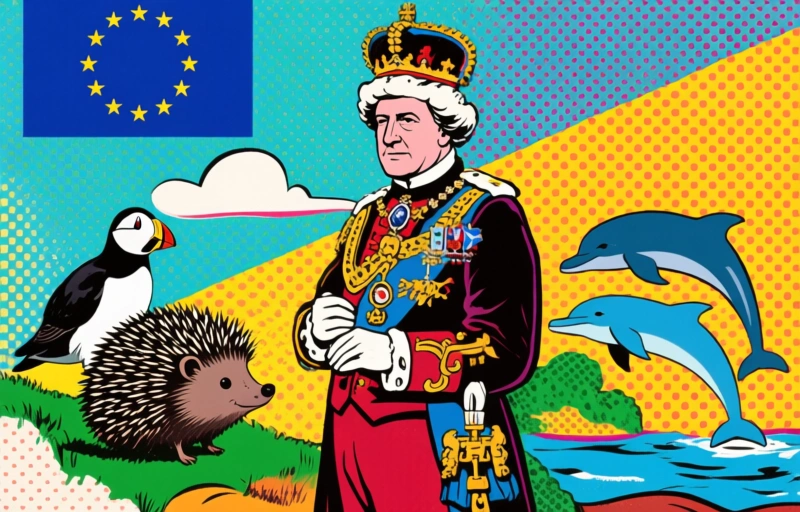
Britain's banknotes may soon feature hedgehogs, puffins, and dolphins instead of historical figures like Churchill and Austen. This bold shift celebrates wildlife and conservation.
Imagine pulling out your wallet and seeing a hedgehog staring back at you instead of the Queen. That's exactly what could happen soon in Britain. The Bank of England has shortlisted hedgehogs, puffins, and dolphins as potential faces for the next generation of banknotes. It's a bold move away from historical figures like Winston Churchill, Jane Austen, J.M.W. Turner, and Alan Turing. Let's dive into what this means and why it matters.
### Why Animals Are Being Considered
The shift to wildlife isn't random. The Bank of England wants to celebrate Britain's natural heritage and raise awareness about conservation. Hedgehogs, for instance, are a beloved species but their numbers have dropped dramatically. According to recent studies, hedgehog populations in the UK have declined by over 50% since the year 2000. Featuring them on currency could spark conversations about protecting them. Puffins, with their colorful beaks, are iconic seabirds but face threats from climate change and overfishing. Dolphins, meanwhile, represent the rich marine life around Britain's coasts. By putting these animals on banknotes, the central bank hopes to connect people with nature in a tangible way.
### What This Means for Collectors and Investors
If you're a collector or just someone who cares about money, this change is huge. Banknotes are more than just payment—they're cultural artifacts. The current series features historical figures who shaped Britain. Churchill was a wartime leader, Austen a literary genius, Turner a revolutionary painter, and Turing a computing pioneer. Replacing them with animals could shift the narrative from human achievement to environmental stewardship. For investors, this might create new opportunities. Limited edition notes or early releases could become valuable. But there's also a risk: some people might resist the change, seeing it as a break from tradition. The Bank of England will need to handle the transition carefully to maintain public trust.
### How This Compares to Other Countries
Britain isn't alone in this trend. Several countries have already featured animals on their currency. For example, Australia's $5 note has a platypus, and New Zealand's $5 note shows a penguin. In the US, the $20 bill is set to feature Harriet Tubman, but animals aren't common on American currency. However, this move aligns with a global push to highlight biodiversity. It's a way to use everyday items like money to educate the public about endangered species. For Britain, it's also a chance to modernize its image. The Bank of England has been criticized for being too stodgy, and this could be a refreshing change.
### What's Next for the Banknotes?
The shortlist is just the beginning. The Bank of England will likely run public consultations and design contests. It might take years before the new notes enter circulation. During that time, you'll see mockups and debates. Some people will love the idea, others will hate it. But one thing's for sure: it's a conversation starter. If you want to stay updated, keep an eye on official announcements. And if you're a hedgehog fan, maybe start saving up—you might want to frame the first note that comes out.
### Final Thoughts
Change is never easy, especially with something as personal as money. But this proposal shows that even central banks can think outside the box. Whether you're a collector, an environmentalist, or just someone who uses cash, this shift could make your wallet a little more interesting. So, next time you see a hedgehog in your garden, remember: it might just end up on a banknote near you.