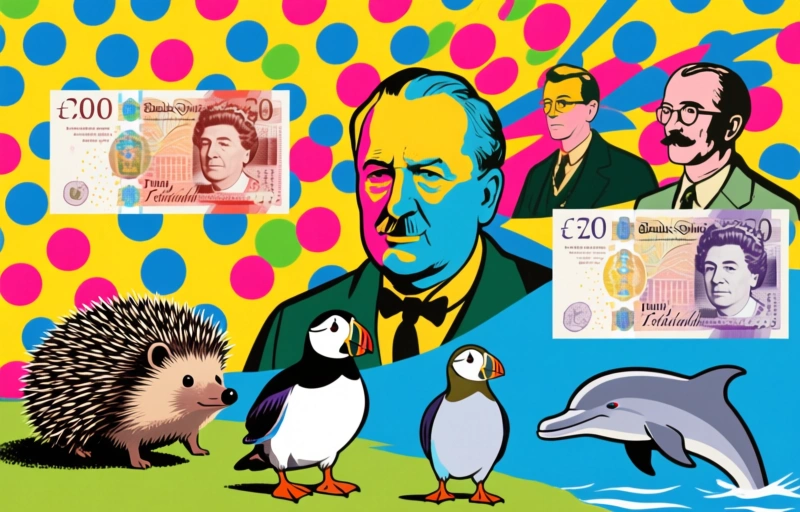
Britain's banknotes may swap famous figures like Churchill and Turing for wildlife such as hedgehogs, puffins, and dolphins. Discover what this shift means for collectors and currency design.
Have you ever looked at a banknote and wondered who—or what—deserves to be on there? Britain's next generation of banknotes might swap historical figures for something wilder: hedgehogs, puffins, and dolphins are among the wildlife shortlisted. It's a surprising shift that's got everyone talking, from collectors to casual spenders. Let's dive into what this means and why it matters.
### Why the Change?
The Bank of England is considering a major redesign. For decades, banknotes featured iconic Brits like Winston Churchill, Jane Austen, J.M.W. Turner, and Alan Turing. Now, they're looking at animals that symbolize Britain's natural heritage. This isn't just about aesthetics—it's a nod to conservation and national identity. The shortlist includes species that are iconic yet vulnerable, like puffins, which face habitat challenges.
### The Shortlist: Who's in the Running?
- **Hedgehogs**: Adored for their spiky charm, hedgehogs are a garden favorite. Their numbers are declining, making them a poignant choice.
- **Puffins**: These seabirds with colorful beaks are a coastal icon. They're resilient but threatened by climate change.
- **Dolphins**: Bottlenose dolphins are intelligent and playful, representing marine life. They're a symbol of freedom and grace.
Other candidates include red squirrels and barn owls, but these three are leading the buzz. Imagine pulling out a $10 note with a puffin staring back at you—it's a conversation starter.
### What This Means for Collectors
For currency enthusiasts, this is huge. Banknotes are more than money—they're art and history. The shift from people to animals could increase demand for older notes featuring human figures. If you're holding a Churchill $5 note, it might become a collector's item. On the flip side, animal-themed notes could attract a new generation of collectors who love wildlife.
- **Rarity Factor**: Older notes with historical figures will become scarce.
- **Design Appeal**: Animal notes are visually striking, with vibrant colors and detailed illustrations.
- **Investment Potential**: Limited edition runs could spike in value.
### The Broader Impact on Currency Design
This isn't just a British trend. Countries like Canada and Australia have featured animals on currency for years. Canada's $5 note has a beluga whale, and Australia's $50 note has a black swan. Britain's move could inspire others to rethink their designs. It's a shift from celebrating human achievement to celebrating the natural world.
### Practical Takeaways for You
If you're in the US and interested in British currency, here's what to do:
- **Stay Informed**: Follow Bank of England announcements for release dates.
- **Start Collecting**: Grab current notes with Turing or Churchill before they're phased out.
- **Travel Tips**: If you're visiting the UK, animal notes will be legal tender, so don't worry about using them.
### A Personal Note
I remember my first trip to London, fumbling with pounds and pence. The notes felt like tiny pieces of history. Now, they're becoming tiny pieces of nature. It's a beautiful evolution, and I think you'll love it too.
### Final Thoughts
This redesign is more than a cosmetic change—it's a statement. Britain is embracing its wildlife as national treasures. Whether you're a collector, a traveler, or just curious, this is a fascinating development. Keep an eye out for those hedgehogs and puffins—they might just become your new favorite currency.