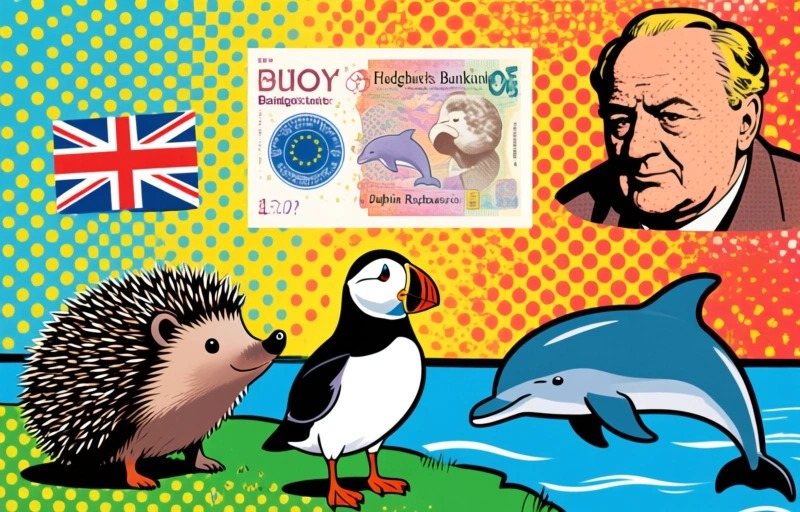
Hedgehogs, puffins, and dolphins could replace Churchill and Turing on UK banknotes. Discover the shortlist and what this means for collectors and conservation.
Imagine pulling out your wallet and seeing a hedgehog staring back at you instead of Winston Churchill. That's the buzz right now in the UK, where the Bank of England has shortlisted some surprising wildlife candidates for the next generation of banknotes.
Hedgehogs, puffins, and dolphins are among the contenders. These animals could replace historical figures like Jane Austen, J.M.W. Turner, and Alan Turing on the country's currency. It's a bold shift from honoring human achievements to celebrating nature.
### Why the Change?
The move reflects a growing desire to highlight environmental themes. Britain's banknotes have traditionally featured monarchs and famous Britons. But now, public input has pushed for species that symbolize the nation's natural heritage.
This isn't just about pretty pictures. It's a conversation starter about conservation. Hedgehogs are in decline, puffins face habitat threats, and dolphins struggle with pollution. Featuring them on money could raise awareness.
### The Shortlist
The Bank of England invited the public to suggest themes. After reviewing thousands of ideas, they narrowed it down to a shortlist of wildlife. Here's a glimpse:
- Hedgehog: A beloved garden visitor, but numbers have dropped by 50% since 2000.
- Puffin: Known as the "clown of the sea," these birds nest on coastal cliffs.
- Dolphin: Bottlenose dolphins are a common sight around UK shores.
- Red squirrel: Once widespread, now confined to a few regions.
- Oak tree: Not an animal, but a symbol of strength and endurance.
The final designs are expected in 2025, with the new notes entering circulation by 2028.
### What This Means for Collectors
If you're a currency enthusiast, this is big news. Banknotes with wildlife themes often become sought-after collectibles. The current series features historical icons, but animal designs could fetch higher prices on the secondary market.
Keep an eye on auction sites. Early releases in mint condition might be worth more than face value. For example, the old £50 note with Matthew Boulton and James Watt now sells for up to $75 in uncirculated condition.
### A Broader Trend
Other countries have already embraced wildlife on currency. Australia's $10 note features the sulfur-crested cockatoo, and Canada's polymer notes include loons and polar bears. The UK is catching up to this global trend.
It's a smart move. Currency is one of the most widely circulated items. Featuring endangered species could spark conversations about biodiversity. Plus, it adds a touch of charm to everyday transactions.
### What's Next?
The Bank of England will announce the final selection later this year. Public consultation will continue, so you can still voice your opinion. Visit the bank's website to submit feedback.
In the meantime, start saving your current notes. Once the new designs launch, the old ones might become nostalgic treasures. Who knows? A hedgehog banknote might be worth more than a Churchill someday.
### Final Thoughts
This change feels refreshing. It moves away from the usual political and artistic figures toward something more universal: nature. Whether you're a collector or just a curious observer, it's a fascinating development.
So, next time you see a hedgehog in your garden, give it a nod. It might just end up in your pocket.