Matthew Kayne warns that Britain is falling into a dangerous pattern of political division and reactive politics, echoing the 'Trump Trap.' Discover how distrust fuels this cycle and what can be done to escape it.
Matthew Kayne has issued a stark warning: Britain is falling into what he calls the 'Trump Trap.' It's a phrase that captures a dangerous pattern of deepening political division fueled by distrust and reactive politics. But what does this really mean for the country, and why should we care?
At its core, the 'Trump Trap' describes a cycle where political discourse becomes more about reacting to outrage than building thoughtful solutions. It's when leaders prioritize short-term emotional responses over long-term strategy, and citizens lose faith in institutions. Sound familiar? Kayne argues this is exactly what's happening in Britain today.
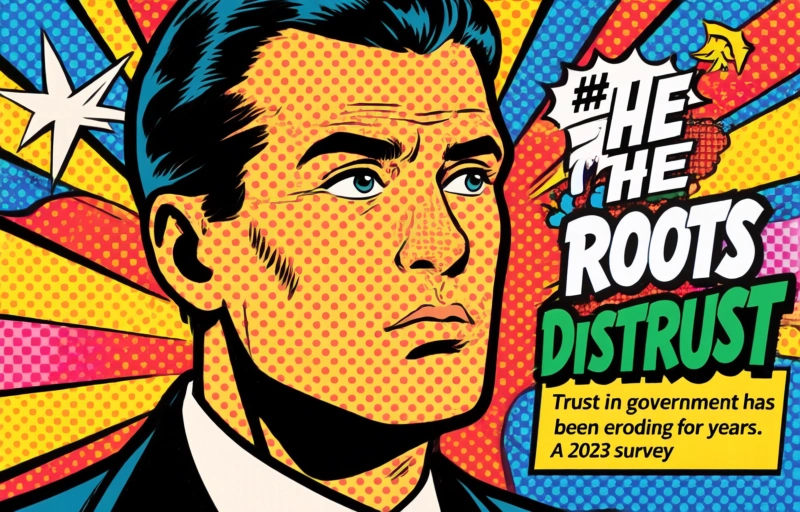
### The Roots of Distrust
Trust in government has been eroding for years. A 2023 survey found that only 35% of Britons trust their government to do what's right—a number that's been sliding since the 2008 financial crisis. When people don't trust the system, they become more susceptible to populist rhetoric. That's the opening the 'Trump Trap' exploits.
Kayne points out that reactive politics—where every decision is a response to the latest scandal or social media storm—replaces thoughtful governance. Instead of tackling complex issues like healthcare or housing, politicians focus on winning the next news cycle. This creates a feedback loop: more outrage leads to more reactive policies, which leads to even less trust.
### How It Plays Out in Daily Life
You see it in the way political debates unfold online. A single controversial tweet can dominate the news for days, while important legislation lags behind. Or consider how Brexit was framed: not as a nuanced economic decision, but as a battle between 'leave' and 'remain' tribes. That kind of polarization makes compromise feel impossible.
- **Media amplification**: Outrage sells. News outlets focus on conflict because it drives clicks, not because it informs.
- **Social media echo chambers**: Algorithms push content that triggers strong emotions, making moderate voices harder to hear.
- **Political opportunism**: Leaders exploit division to rally their base, even if it means ignoring the common good.
### The Cost of Reactive Politics
The consequences aren't just theoretical. When politics becomes reactive, countries miss opportunities. Britain's economic growth has lagged behind other developed nations, partly because policy shifts with every political wind. The cost of living crisis, for example, has been met with piecemeal measures rather than a coherent strategy.
Kayne's argument is that the 'Trump Trap' isn't just about one person or one party. It's a systemic problem. And once you're in the trap, it's hard to escape because the very tools needed to fix it—trust, patience, and collaboration—are the ones that have been destroyed.
### What Can Be Done?
Escaping the trap requires conscious effort. First, citizens need to demand more from their leaders: not just outrage, but substance. Second, media literacy is critical. Understanding how algorithms and partisan news shape our views can help us step back from the brink. Finally, institutions must rebuild trust through transparency and consistent action.
Kayne's warning is timely. As Britain navigates its post-Brexit identity and faces global challenges like climate change and economic uncertainty, the last thing it needs is a political culture that thrives on division. The 'Trump Trap' is a choice, not a fate. But choosing differently means rejecting the easy path of reactive politics and embracing the harder work of genuine dialogue.
In the end, the question isn't whether Britain is falling into the trap—it's whether it can find a way out before it's too late.