AI's Social Illusion: When Feeds Feel Too Human
Jan de Vries ·
Listen to this article~4 min
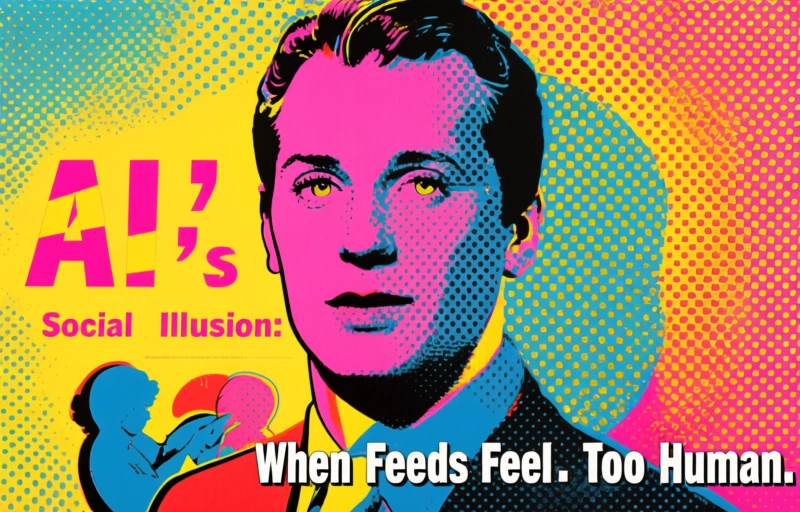
AI is creating social interactions that feel startlingly human, but this synthetic engagement may be distorting digital authenticity. Learn to spot the difference.
You're scrolling through your feed, and everything feels... oddly perfect. The conversations are seamless, the recommendations are spot-on, and the engagement feels genuine. But here's the thing we're all starting to whisper about: could AI be making social media feel more human than it actually is?
It's a strange paradox, isn't it? We're interacting with algorithms that have learned to mimic human warmth so well that sometimes we forget we're talking to code. The lines are blurring, and it's happening faster than most of us realize.
### The Uncanny Valley of Connection
Remember when automated responses felt robotic and obvious? Those days are fading fast. Today's AI doesn't just respond—it anticipates. It learns your patterns, your humor, even your emotional triggers. The result? Interactions that feel startlingly real, even when there's no human on the other end.
This creates what I call the 'uncanny valley of connection.' It's that unsettling feeling when something is almost perfectly human, but just slightly off. You can't quite put your finger on why, but you know something's different.
- **Personalized content** that knows you better than your friends
- **Automated engagement** that never sleeps or gets tired
- **Synthetic conversations** that flow naturally
- **Emotional responses** programmed to mirror human reactions
The scary part? Most of us can't reliably tell the difference anymore.
### The Engagement Mirage
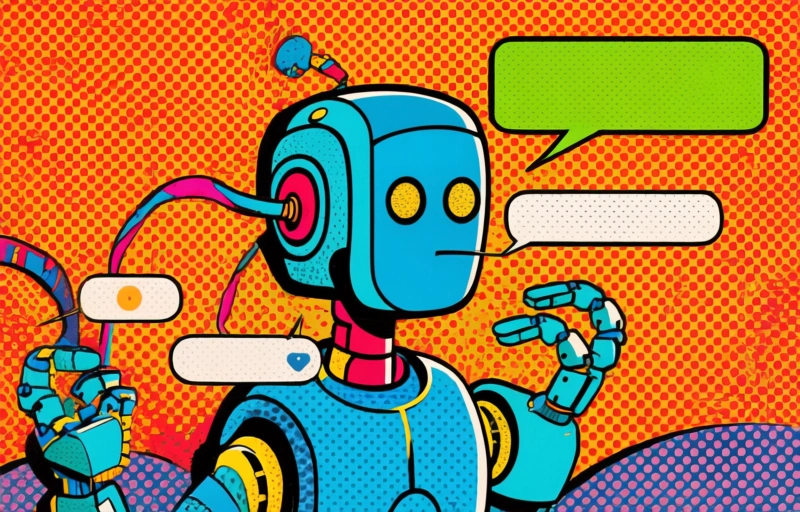
Here's where things get tricky for businesses and creators. Human content absolutely drives real engagement—we connect with stories, emotions, and shared experiences. But synthetic activity creates what I've started calling 'the engagement mirage.'
It looks like real interaction from a distance. The numbers go up, the metrics look great, but the authenticity? That's where the distortion happens. You might be building your brand on quicksand without even knowing it.
Think about it this way: if a tree falls in a forest and no one hears it, does it make a sound? If content gets engagement but no human actually sees it, does it really connect?
### The Authenticity Tax
There's a hidden cost to all this synthetic perfection. We're paying what could be called an 'authenticity tax'—the gradual erosion of genuine human connection in digital spaces. The more perfect the interaction, the more we might actually be distancing ourselves from real relationships.
This isn't just philosophical musing. It has real implications for how we build communities, market products, and maintain mental health in digital spaces. When everything feels equally 'human,' how do we value what's actually human?
As one social media manager told me recently, "I spend my days optimizing for algorithms, then wonder why my real conversations feel stilted." That's the paradox in action.
### Finding the Human in the Machine
So where do we go from here? The solution isn't to reject AI—that ship has sailed. Instead, we need to develop what I'm calling 'digital discernment.' That's the ability to recognize and value genuine human connection, even when it's surrounded by synthetic perfection.
Start by asking simple questions:
- Does this interaction leave me feeling truly connected or just entertained?
- Am I building relationships or just accumulating engagement metrics?
- Can I spot the difference between algorithmic warmth and human care?
The answers might surprise you.
At the end of the day, technology should enhance our humanity, not replace it. The most successful social strategies will be those that use AI as a tool while keeping genuine human connection at the center. Because no matter how good the algorithm gets, there's still no substitute for that moment when you realize: "Oh, this is a real person. This matters."
That's the feeling we need to protect, nurture, and prioritize—even as our feeds get smarter about pretending to provide it.