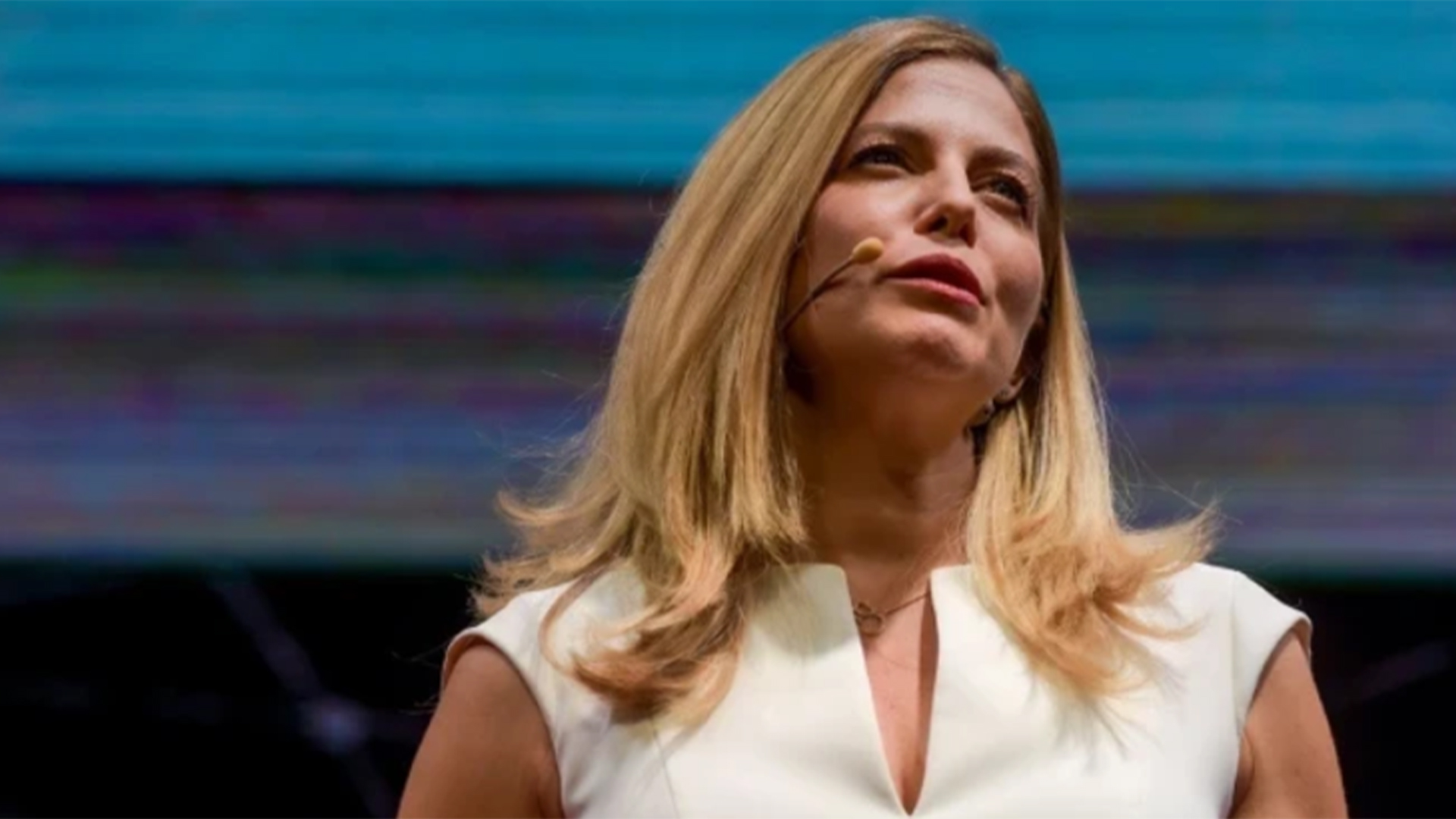
Dalia Feldheim, former CMO and organizational psychologist, explains why emotional intelligence and psychological safety are key to AI success. Companies spend millions on AI but neglect culture—here's why that's a mistake.
Companies are pouring millions into AI tools, but they're missing something crucial: the human culture that makes those tools actually work. That's the core message from Dalia Feldheim, a former global CMO and organizational psychologist who spent over 16 years at P&G and later became CMO and VP of Marketing APAC at Electrolux.
In an exclusive interview with the Motivational Speakers Agency, Feldheim explains why emotional intelligence is becoming the ultimate differentiator as AI adoption accelerates, why fear kills performance over time, and why investing in people is still the smartest business move you can make.
### ROI Is Really Return on Interaction
"I always used to say ROI is not return on investment, but return on interaction," Feldheim says. "Because what really drives business is people: how you work with your employees and drive motivation and performance, and how you work with your stakeholders."
Sales, after all, is all about relationships. And today that matters more than ever. When AI puts IQ in your pocket, emotional intelligence and relationships become your differentiator.
> "You can't outsource soul." – Dalia Feldheim
Feldheim sees a troubling pattern: companies are spending big on AI adoption tools but not on building the right culture to enable that adoption. "How we develop people, and how we allow them to experiment and fail, will enable AI adoption," she says.
She adds, "AI can help us with so many things—productivity, processes—and it's a great companion. I'm now writing a book with my AI, but the thoughts, the creation, the human interaction, and the storytelling are mine." The bottom line? You can't outsource soul.
### Psychological Safety: The Secret to High-Performing Teams
So what's the number one driver of high-performing teams? According to Google's Project Aristotle, it's psychological safety. Feldheim points to the work of Amy Edmondson, who found that the top driver of psychological safety is leaders admitting mistakes and creating a culture that embraces failure.
When that happens, you get:
- More collaboration because people aren't afraid to voice opinions or share feedback
- Better innovation because people aren't scared to share crazy ideas
- Fewer repeated mistakes because failures are embraced and learned from
- Higher motivation because people feel seen and valued
"How we approach failure, how we offer help and feedback, how open we are to raising ideas, and diversity, equity and inclusion all affect motivation and engagement," Feldheim explains. "That's what makes a culture resilient over time and through change."
### Why Leaders Need to Lean Into the Human Side
As AI continues to reshape how we work, Feldheim's message is clear: don't neglect the heart and soul of your organization. Investing in psychological safety and emotional intelligence isn't just nice—it's essential for the bottom line.
Leaders who admit mistakes, encourage experimentation, and prioritize relationships will build teams that not only adopt AI successfully but also thrive in the process. After all, as Feldheim puts it, "When we talk about culture, we need the premise that enables AI adoption, and we need to continue focusing on heart and soul."
In a world where technology is everywhere, the human touch is what sets great companies apart. So before you buy that next AI tool, ask yourself: are you building a culture that can actually use it?