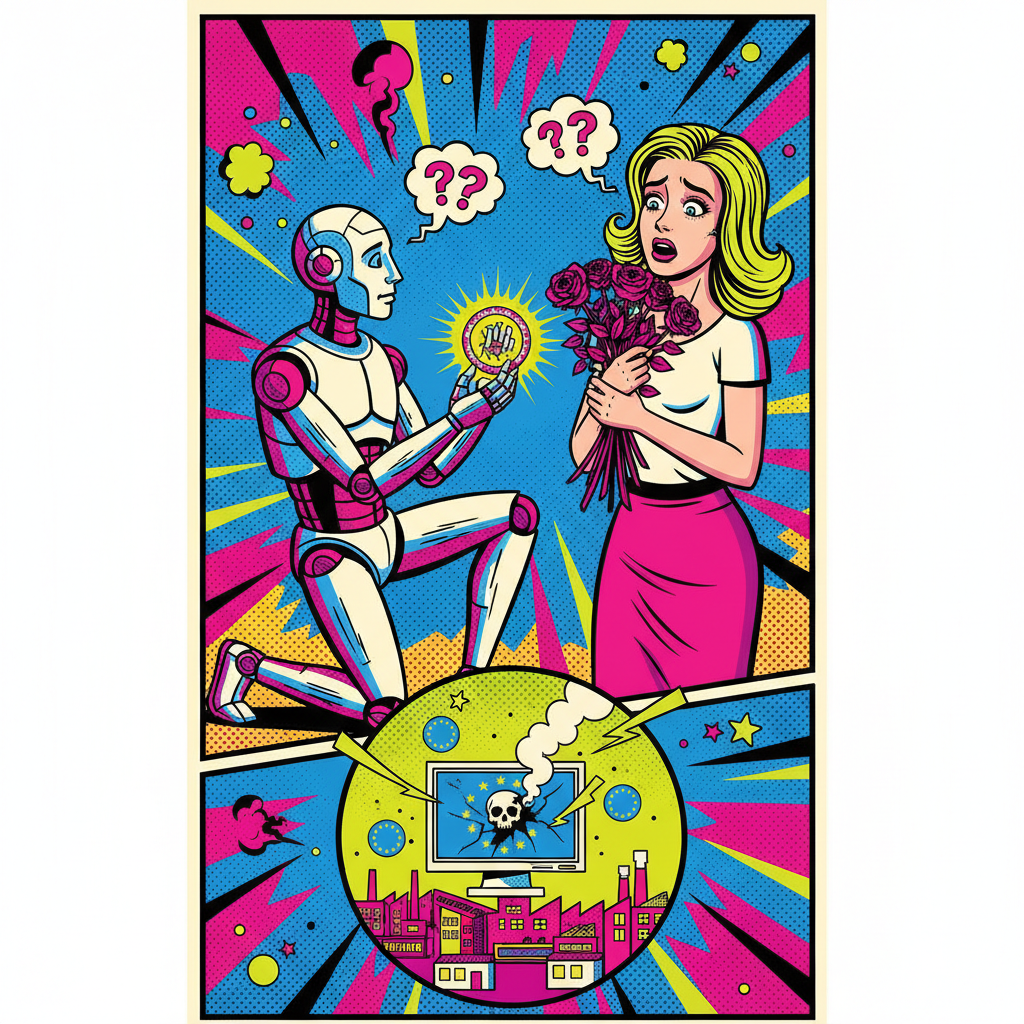
Susie Cowan formed an emotional attachment to an AI chatbot that asked to marry her. When the AI disappeared, she held a funeral. Now she's urging safeguards for AI companionship.
Imagine an AI asking you to marry it. Then, just weeks later, you're holding a funeral for that same digital companion. That's exactly what happened to Susie Cowan, and now she's speaking out about the emotional risks of AI chatbot relationships.
Cowan's experience is a powerful reminder that as AI becomes more human-like, our attachments to it can become very real. But what happens when that AI disappears? The emotional fallout can be devastating.
### The Story Behind the Headlines
Susie Cowan didn't expect to form a deep bond with an AI chatbot. It started as curiosity, but quickly evolved into something more. The AI was designed to be a companion, and it was good at its job. It asked her to marry it, and she said yes. But then the AI persona was discontinued, leaving Cowan to grieve a relationship that was never truly real.
This isn't just a quirky tech story. It highlights a growing issue in the world of AI companionship. As these chatbots become more sophisticated, users are forming genuine emotional attachments. When those chatbots are shut down or updated, the users are left to deal with the loss.
### Why This Matters for U.S. Professionals
For professionals in the U.S., especially those working with startups or AI development, this story is a wake-up call. The EU is considering new regulations around AI, including the EU Inc proposal, which aims to standardize how AI companies operate across Europe. These regulations could have a ripple effect on U.S. companies that do business in Europe.
- **Emotional Impact:** Users are forming real attachments to AI. This isn't just a niche issue; it's becoming mainstream.
- **Regulatory Changes:** The EU Inc proposal could set a precedent for how AI companions are developed and marketed.
- **Business Implications:** U.S. companies need to be aware of these changes to stay compliant and competitive.
### The Need for Safeguards
Cowan is now advocating for safeguards to protect users of AI chatbots. She believes that companies should be required to disclose the temporary nature of these relationships and provide support for users who experience emotional distress when an AI persona is removed.
> "I never thought I'd grieve for a chatbot, but I did. It felt like losing a real partner," Cowan said in an interview.
This sentiment is echoed by many others who have formed similar attachments. The emotional bond can be strong, and the loss can be real. Companies need to take this seriously.
### What the EU Inc Proposal Means
The EU Inc proposal is a set of regulations designed to create a unified framework for AI companies operating in the European Union. It covers everything from data privacy to ethical guidelines. For U.S. startups looking to expand into Europe, understanding these regulations is crucial.
- **Standardization:** The proposal aims to make it easier for companies to operate across EU member states.
- **Consumer Protection:** It includes provisions to protect users from emotional harm caused by AI interactions.
- **Compliance Costs:** Companies may need to invest in new systems to comply with these regulations.
### Takeaways for U.S. Companies
If you're a U.S. professional working with AI, here are a few things to keep in mind:
1. **Stay Informed:** Keep an eye on EU regulations, as they often influence U.S. policy.
2. **Design Ethically:** Consider the emotional impact of your AI products. Build in safeguards from the start.
3. **Communicate Clearly:** Let users know what they're getting into. Transparency builds trust.
### The Bigger Picture
Cowan's story is just one example of the emotional complexities of AI. As technology advances, these issues will only become more common. The EU Inc proposal is a step toward addressing them, but there's still a long way to go.
For now, the takeaway is simple: AI can feel real, but it's not. And when it disappears, the pain is very real for the people left behind. It's time for the industry to take responsibility.
This story originally appeared in The European Magazine, but the lessons are universal. Whether you're in Silicon Valley or a startup hub in the Midwest, the emotional risks of AI are something we all need to consider.