The 24/7 Clean Energy Shift Businesses Can't Ignore
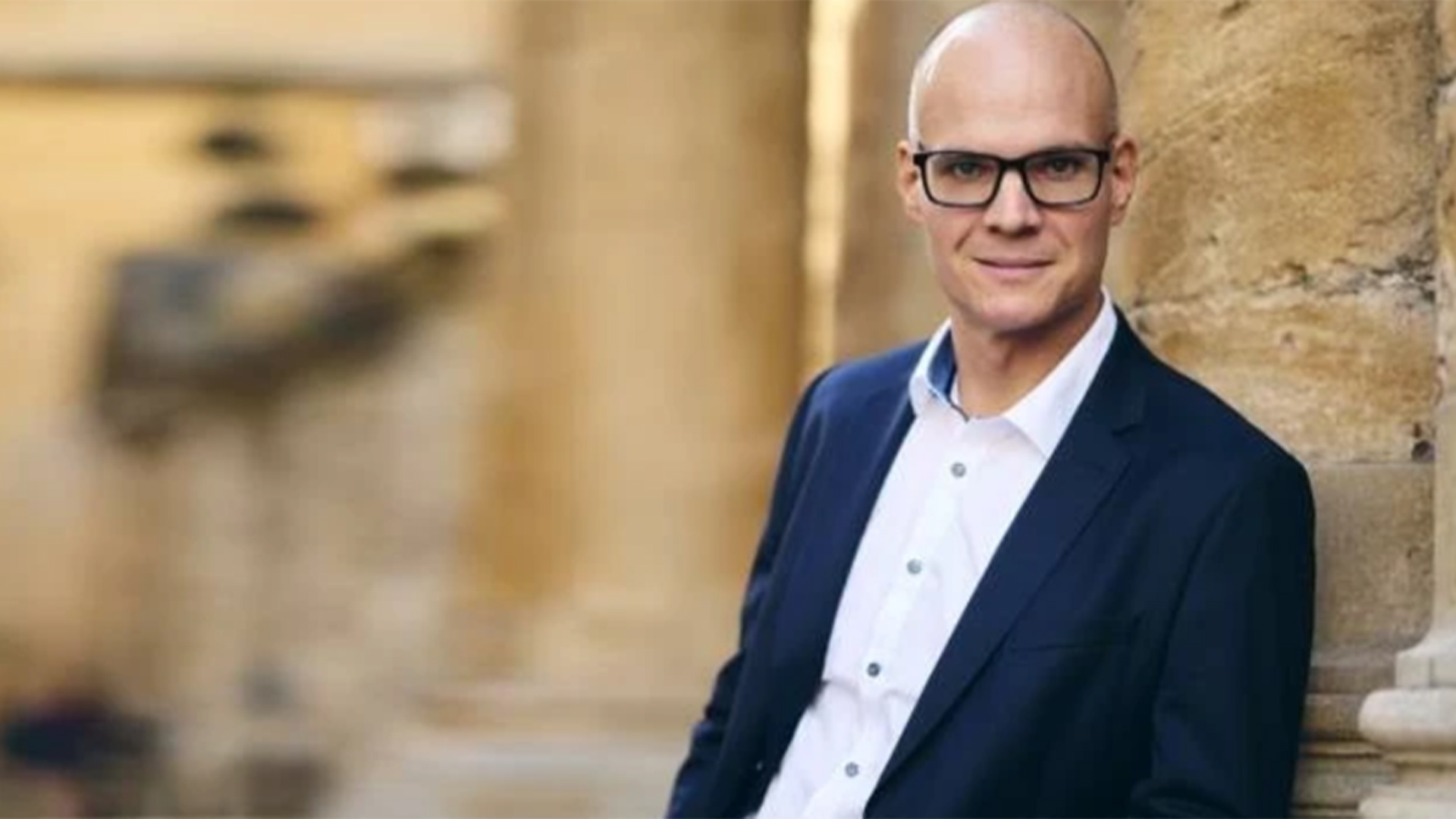
Jan de Vries ·
Listen to this article~4 min
Dr. Jan Rosenow explains why 24/7 clean energy is replacing old offsetting tactics, how businesses can cut fossil fuel reliance, and where the real opportunities lie in the energy transition.
Running a business on clean energy every single hour of the year sounds like a stretch, doesn't it? Dr. Jan Rosenow doesn't think so. In fact, he calls it one of the most exciting areas of innovation in cutting carbon emissions right now.
Rosenow is an energy and climate policy specialist who has advised heavy hitters like the International Energy Agency, the United Nations, and the European Parliament. In this exclusive interview, he breaks down why he stays optimistic about the energy transition and where businesses can actually make progress.
### From Offsetting to Real Abatement
For years, many companies bought certificates so they could claim they were "carbon neutral." Rosenow is blunt about that approach: it's the old world of carbon abatement.
What's replacing it is something more demanding. Businesses are now working toward real abatement, meaning they don't just balance emissions over a year. They run on clean energy every hour of that year.
"We're seeing a lot of companies moving into that space of 24/7 clean energy," he says. "That is where a lot of the innovation is happening. It's hugely challenging, but also very exciting."
### Why He Stays Optimistic
You've probably heard the skeptics. "This is too difficult. It won't work. It's too expensive." Rosenow has heard it all too, and he's learned not to buy it.
Fast forward a decade or two, he points out, and the transition usually turns out faster and cheaper than most people predicted. Costs fall further than expected. Learning effects and innovation do the heavy lifting.
> "I'm an energy transition optimist because I've so often seen people say, 'This is all going to be too difficult.' Then the transition has been faster than most people predicted."
Businesses, he argues, sit right at the center of that progress.
### The First Steps for Companies
So where does a company actually start? Rosenow keeps it simple.
- Make a firm commitment to move away from fossil fuels toward clean energy carriers.
- Bring in experts who know how to build a road map toward that ambition.
That's it. Commitment first, then a clear plan from people who've done it before.
### Businesses Are Delivering the Transition
Here's a point worth sitting with: the energy transition isn't delivered by governments alone. It's delivered by businesses.
They build the infrastructure. They create ways for clean energy technologies to reach consumers. They develop the financial models that make the necessary investments possible.
"There's a huge role for business in the energy transition," Rosenow says. "I see so much innovation coming out of companies small and large that I believe we're already pretty far ahead."
### The European Green Deal Opportunity
For companies operating in or around Europe, the European Green Deal is a once-in-a-generation opening. It's a massive undertaking aimed at moving the continent away from fossil fuels.
Businesses stand to benefit from the incentives being put in place, whether that's building out renewables or decarbonizing the energy supply. Think of it as a platform and an accelerator for the whole transition.
### Electrification: The Biggest Lever
Finally, Rosenow points to electrification as the most important lever for lowering emissions in the global economy. Analysis from the International Energy Agency and others backs that up.
For businesses, the takeaway is clear. Clean energy isn't a side project anymore. It's the direction everything is moving, and the companies that commit early are the ones best positioned to benefit.