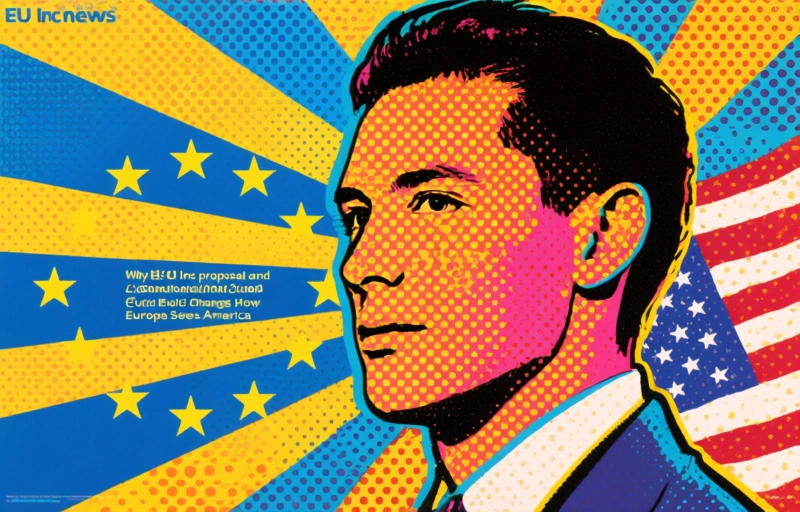
Jing Zhao Cesarone explores how the 2026 World Cup is changing European perceptions of the U.S. through travel and cultural exchange.
When the 2026 FIFA World Cup kicks off across the United States, Canada, and Mexico, it won't just be about goals and trophies. For many Europeans, this will be their first real, unfiltered look at America beyond the headlines. And that could shift perceptions in ways nobody quite expects.
Jing Zhao Cesarone, a keen observer of transatlantic cultural shifts, has been digging into this exact phenomenon. Her take? The World Cup is about to become a massive cultural exchange program disguised as a sporting event. And honestly, she makes a compelling case.
### More Than Just a Game
Here's the thing about major tournaments: they're never just about the sport. When millions of fans travel halfway around the world, they bring their own traditions, food, and energy. But they also take something home with them. That exchange is where the magic happens.
For European visitors, the U.S. often gets painted with a broad brush. Fast food, big cars, loud voices. But when you're actually standing in a crowded fan zone in New York or wandering through a neighborhood in Los Angeles, those stereotypes start to crack. You meet real people. You try real food. You see the diversity that defines the country.
Cesarone points out that this kind of exposure is powerful. It's hard to hold onto a one-dimensional view of a country when you've shared a beer with a local who's just as obsessed with the game as you are.
### The Travel Factor
The sheer scale of the 2026 World Cup is staggering. We're talking about matches spread across 16 cities, from Seattle to Miami. That means fans will cover thousands of miles, seeing parts of America that rarely make it into European media coverage.
- The Pacific Northwest's green, rainy streets
- The desert landscapes of the Southwest
- The historic charm of East Coast cities
- The Gulf Coast's unique blend of cultures
Each stop offers a different slice of American life. And for many Europeans, this will be their first time experiencing the sheer geographic size of the country. You can fly from London to Berlin in about two hours. In the U.S., you can drive for two hours and still be in the same state.
### Breaking Down Stereotypes
One of the most interesting angles Cesarone explores is how personal experiences override media narratives. When you've spent a week in a place, you start to understand its nuances. You see the kindness of strangers, the local pride, the complexity that doesn't fit into a 30-second news segment.
That's not to say every European will leave with a completely rosy view. But the conversations they'll have back home will be different. Instead of repeating talking points, they'll share stories. And stories have a way of cutting through the noise.
> "When people travel, they don't just see a country. They see themselves in it." — Jing Zhao Cesarone
### A Two-Way Street
It's worth noting that this exchange goes both ways. Americans will also get a front-row seat to European football culture. The songs, the chants, the sheer passion that fans bring to every match. That energy is contagious, and it could leave a lasting mark on American sports culture.
There's also the economic angle. Hosting the World Cup brings in billions of dollars in tourism revenue. Hotels fill up, restaurants stay busy, and local businesses get a boost. But the cultural return on investment might be even more valuable.
### What This Means for the Future
Cesarone's analysis suggests that the 2026 World Cup could be a turning point. Not just for how Europeans view the U.S., but for how the two sides of the Atlantic relate to each other. When you've shared a stadium with someone, cheered for the same goal, or commiserated over a heartbreaking loss, you've built a connection that transcends politics.
Will it change everything overnight? Probably not. But it's a start. And sometimes, that's all it takes.
So as the tournament approaches, keep an eye on the fan zones, the travel stories, and the unexpected friendships. Because the real scoreboard might not be measured in goals, but in the number of preconceptions left behind at the departure gate.